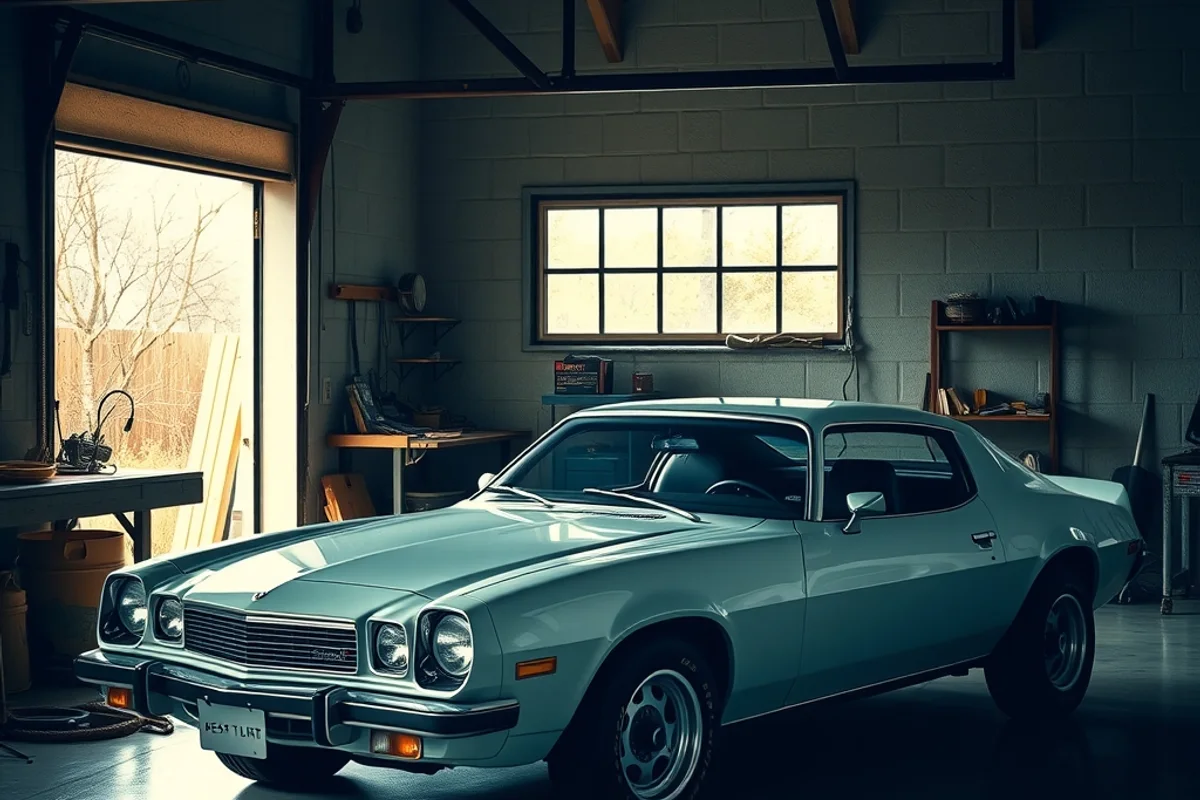
Two classic cars can look identical and be worth very different amounts. The difference is often not condition but certainty. One has a clear history: matching numbers, a documented restoration, a folder of receipts and a title that matches the car. The other has a fresh paint job and a story. Buyers pay for certainty, which is why a good paper trail is one of the few modifications that reliably adds value.
Why paperwork matters
A classic car is an old asset with a fragmented history. It may have changed hands many times, been restored, exported, re-imported or rebuilt from parts. The paperwork is the only continuous record. Without it, you are relying on the seller's memory and your own optimism.
Documentation also helps with insurance. Agreed-value policies often require evidence of condition and specification. A file of photos and receipts supports a higher agreed value and makes a claim easier to settle.
Matching numbers and identity
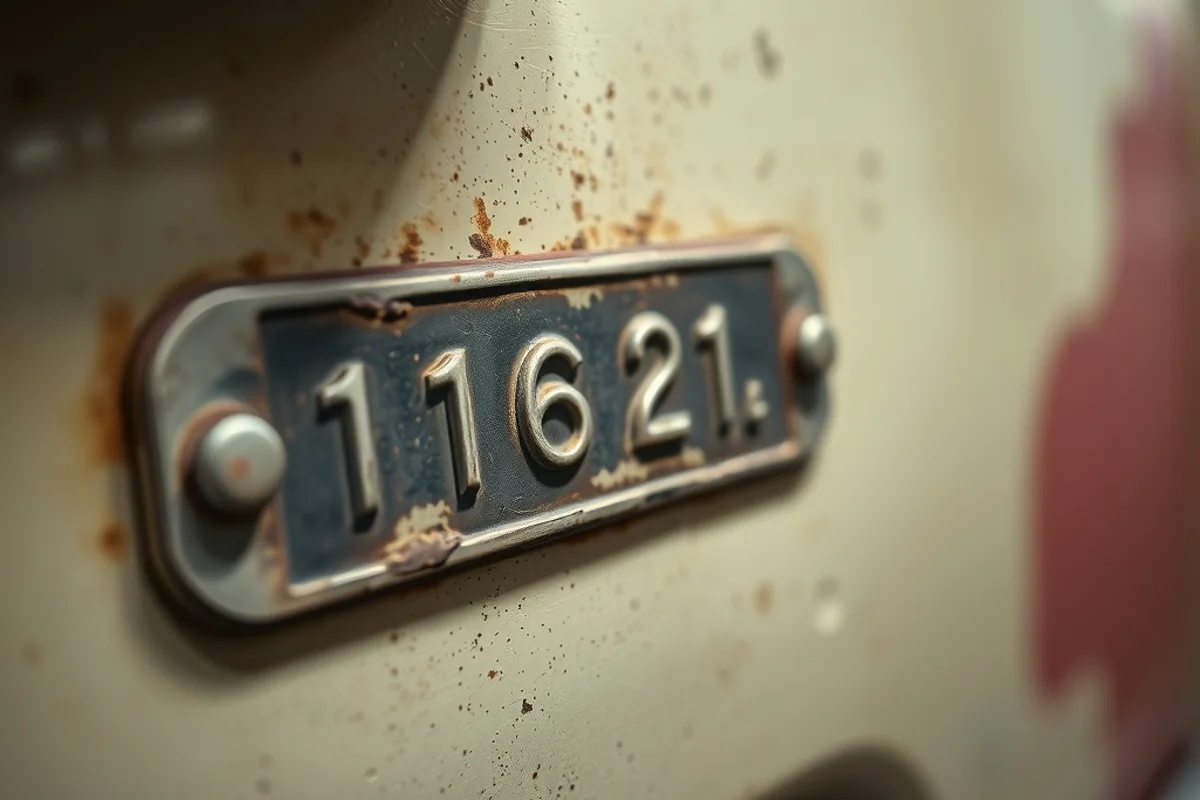
Matching numbers means the engine, gearbox and chassis are the ones the car left the factory with. It is not essential for every buyer, but it is a price factor for collectible models. Check the VIN plate, the chassis stamp and the engine number against the documentation. Look for signs of re-stamping, grinding or a plate that does not match the rivets.
Be cautious if the seller is vague about identity. A car with a replacement body shell or a different engine can still be a good driver, but it should be priced accordingly and described honestly. If the paperwork and the car disagree, walk away until the discrepancy is explained in writing.
Service records and restoration receipts
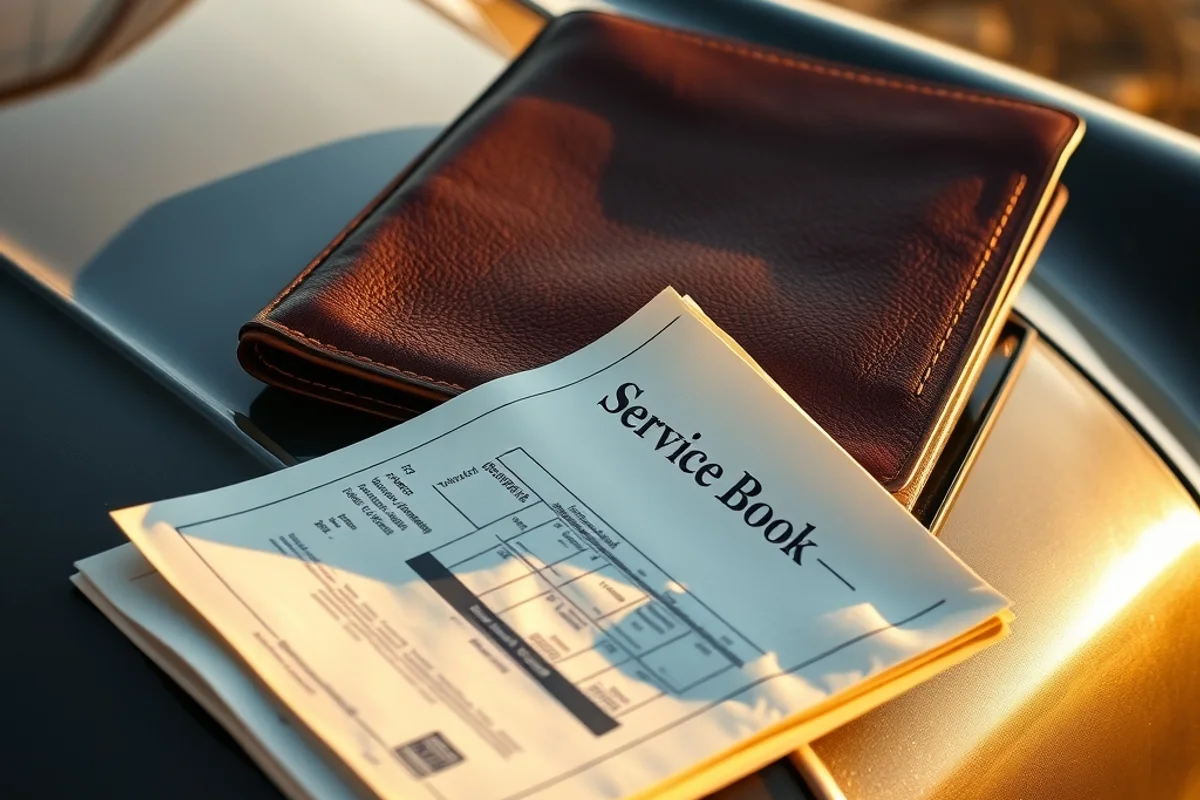
A stamped service book is a start, but invoices are better. They show what was done, when, by whom and at what cost. A restoration folder should include bodywork photos, paint receipts, engine work, parts invoices and the dates. A thick file is not automatically a good file; look for consistency and detail.
A receipt is a fact. A description is a claim. Buy the car with the most facts.
Photographs of the restoration
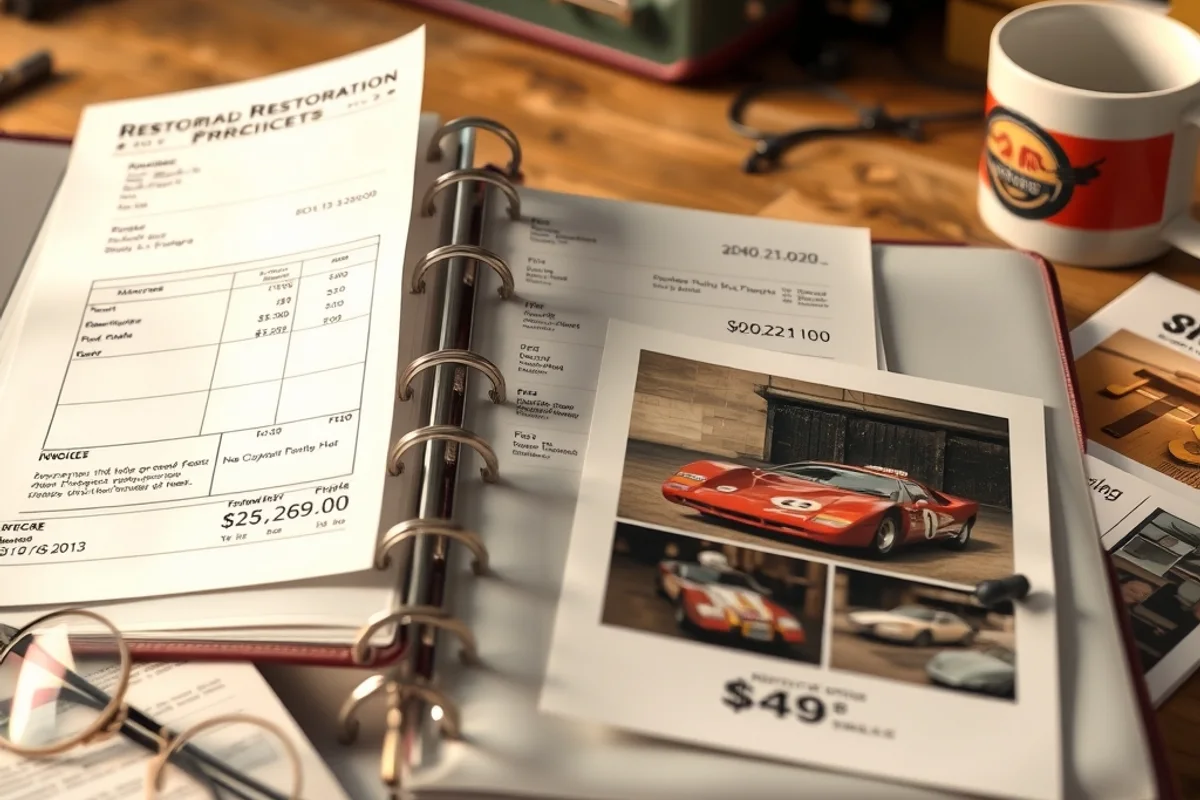
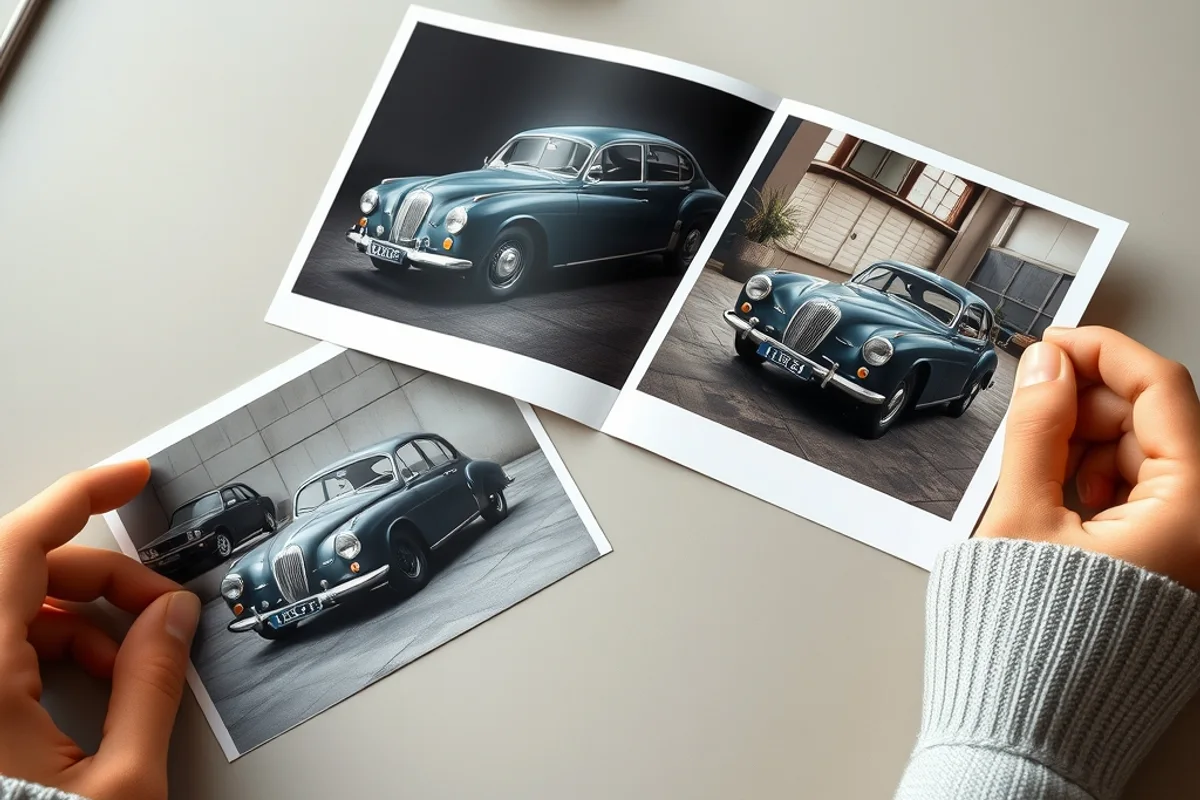
Before, during and after photos are the best evidence of a restoration. They show the condition of the shell before paint, the quality of the welding and whether the car was stripped properly. A seller who has hundreds of photos is usually proud of the work. A seller with one glossy photo and no receipts is asking you to trust the finish.
Look for photos of the floors, sills, boot floor and suspension mounts. Those are the areas where cosmetic restorations hide structural problems. If the photos skip those areas, ask why.
Titles, import documents and taxes
The title or registration document should match the car's VIN and the seller's identity. Check for liens, salvage history or import duties that have not been paid. In some countries, a classic imported without the correct paperwork can be difficult or impossible to register. The cost of sorting it out can exceed the value of the car.
Ask for the customs declaration, the import approval and any historical registration documents. A car with a continuous registration history is easier to insure and easier to sell. If the seller cannot provide the documents, factor the risk into your offer or find another car.
Building your own file
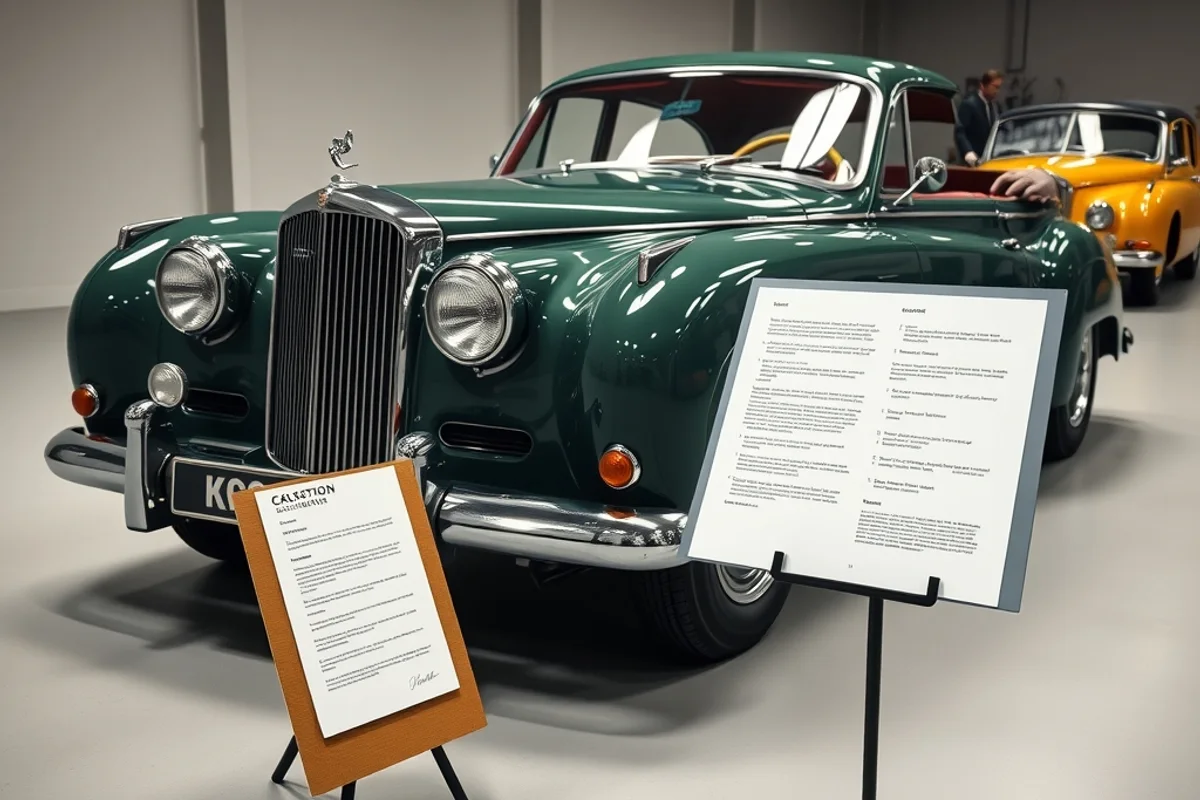
When you buy a classic, start a file immediately. Keep every invoice, photograph, MOT or inspection report and parts receipt. Record the mileage and the date of each job. Take photos before and after any work, even a simple service. This file becomes the car's history and, eventually, part of its value.
Store a digital backup and keep the originals in a safe place. If you sell, hand over a complete copy and keep one for your records. The next owner will thank you, and the market will reward you. A classic car is a physical object, but its value is increasingly made of paper.