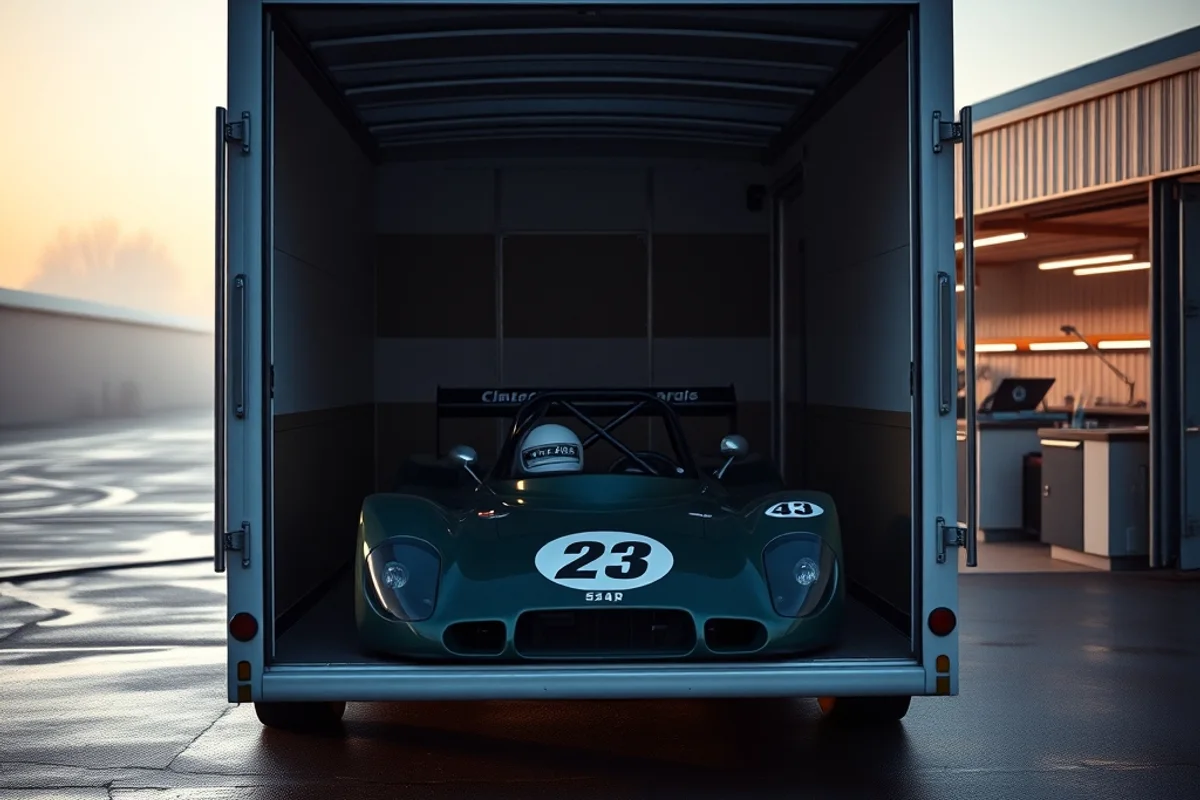
In a short sprint race, the fastest car rarely wins by simply being fastest. It wins because its driver understands what the tyres are doing between the green flag and the chequered one. New rubber offers a peak that lasts a lap or two. A used set can offer a plateau that lasts the whole race. Choosing between them is strategy, not shopping.
Why a qualifying lap lies about race pace
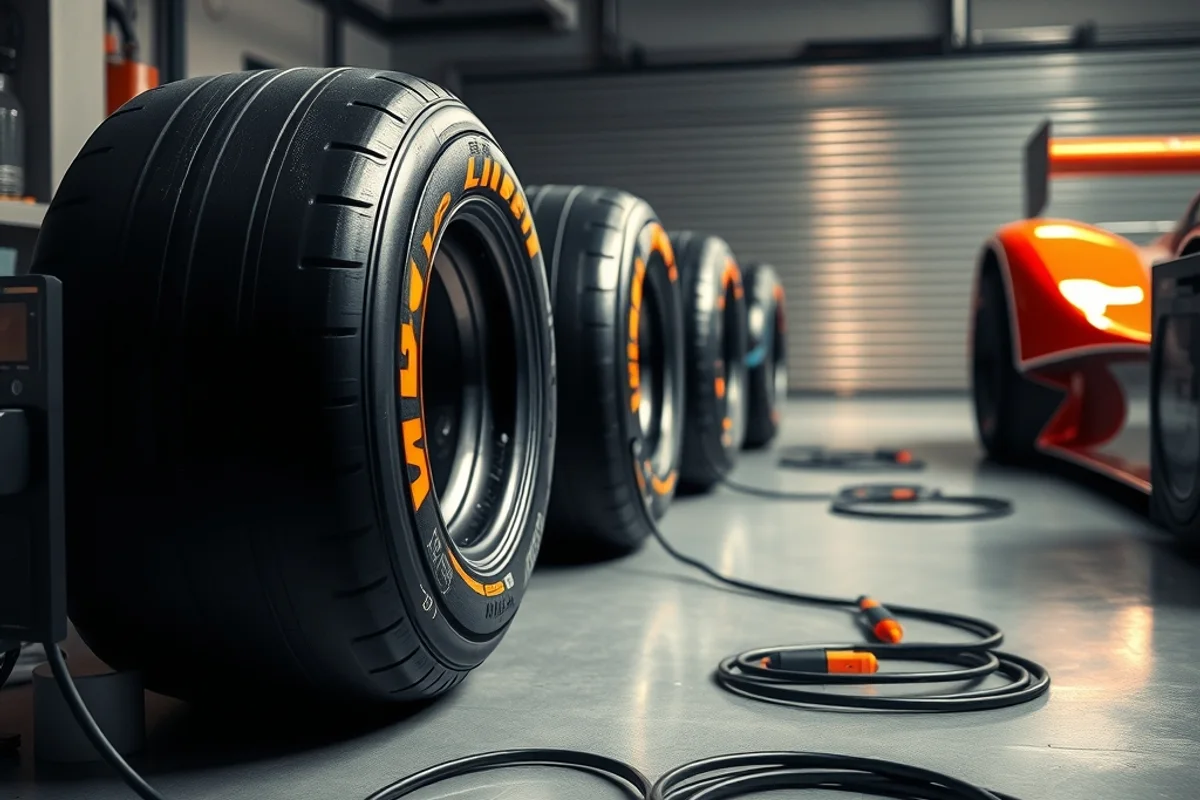
A qualifying lap is a single, low-fuel, maximum-attack effort. The tyre is asked for one peak and then allowed to cool. A race stint asks the same tyre to deliver repeatable grip while it heats, wears and picks up rubber from the track. The setup that produces the fastest single lap can be too aggressive for a stint: more camber, lower pressure and a stiffer rear bar may gain a tenth in qualifying and cost you three tenths by lap eight.
This is why experienced club racers often qualify on a scrubbed set and save the new tyres for the race, or the reverse depending on the circuit. The right answer depends on overtaking difficulty, race length and how much the tyre degrades in clean air versus traffic.
Heat cycles matter more than tread depth
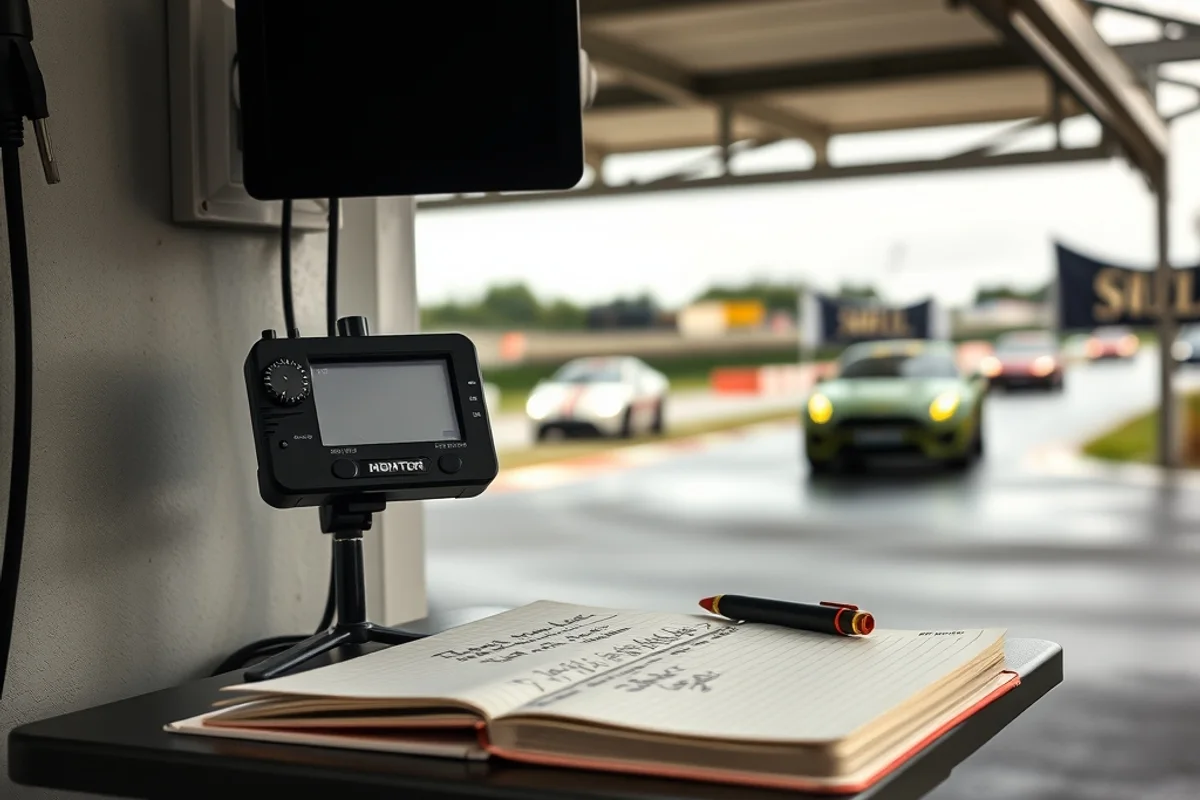
A racing slick does not wear out only by losing rubber. Every heat cycle changes the compound at the surface. A tyre with plenty of tread left can still be past its best if it has been through too many cycles and stored badly. This is why a used set with four heat cycles can be quicker than a new set that has been sitting in a cold shed for two years.
Label your sets. Write the date, the sessions and the best lap on the sidewall with a paint pen. Store them out of direct sunlight, away from ozone sources and ideally on their sides, not hanging. A tyre that has been frozen or cooked in a trailer over summer is a unknown quantity, no matter what the tread gauge says.
The undercut in a short race
The undercut is simple: pit earlier than the car ahead, use fresh tyres to set a fast lap while the rival is still on old rubber, and emerge ahead when they stop. In club sprint racing, a pit stop is usually a tyre change with a minimum time or a drive-through, so the window is narrow. It works when the pit loss is smaller than the lap-time gain over the remaining laps.
Do the arithmetic before the race. If a stop costs 25 seconds and fresh tyres are worth 1.5 seconds per lap, you need 17 laps to break even. In a 12-lap race, the undercut is not strategy; it is a donation. In a 20-lap race with a safety car, it can win the class.
Strategy is arithmetic with consequences. If you cannot explain the break-even lap in the paddock, you cannot call the stop on the radio.
Pressure, camber and the cliff
Hot pressures are the numbers that matter. Set them cold, measure them immediately after a session and adjust from there. A tyre that starts at 24 psi cold can reach 30 psi hot on a warm day, and that change alters the contact patch more than most drivers realise. Underinflation feels grippy for a lap and then overheats the sidewall. Overinflation feels sharp and then loses peak grip.
Camber should be set for the tyre temperature spread across the tread, not for a forum recommendation. If the inner shoulder is much hotter than the outer, you have too much negative camber for that circuit. If the outer shoulder is hotter, you need more. The cliff - the sudden loss of grip after a long stint - is usually a combination of pressure rise and surface overheating. Short-shifting and a cleaner line can manage it better than a setup change.
Reading the race, not just the tyre

New tyres are not automatically faster in traffic. If you are stuck behind a slower car, fresh rubber can overheat while you wait for a gap. Sometimes the smarter move is to save the tyre, hold a small gap, and attack when the leader hits the cliff. This requires patience and a clear picture of the gap to the cars behind, which is why a pit board still exists in an era of dash displays.
Watch the first three laps after a safety car. Everyone is on cold tyres, and the driver who brakes a little earlier and gets back on the throttle smoothly often gains two positions without a single heroic move. The race is won in the boring parts.
A simple plan for a 20-minute race

If you have one new set and one scrubbed set: qualify on the scrubbed set, race on the new set if overtaking is difficult, and invert that if track position matters less than a clean first lap. If you have only one set, do not destroy it in qualifying. A tenth on the grid is worth less than three laps of grip at the end.
Finally, write the plan down and give a copy to someone on the pit wall. Strategy that exists only in your head disappears at the first red flag. The teams that look calm on Sunday have usually made the decision on Thursday.