Most classic car disappointments are not caused by the engine design or the badge. They are caused by a system that was never sorted: a tired ignition circuit, a radiator that cannot cope with modern traffic, a fuel pump that works cold but not hot, or a ground strap that has quietly corroded for 40 years. The cars that start every time are not lucky. They have been treated as systems.
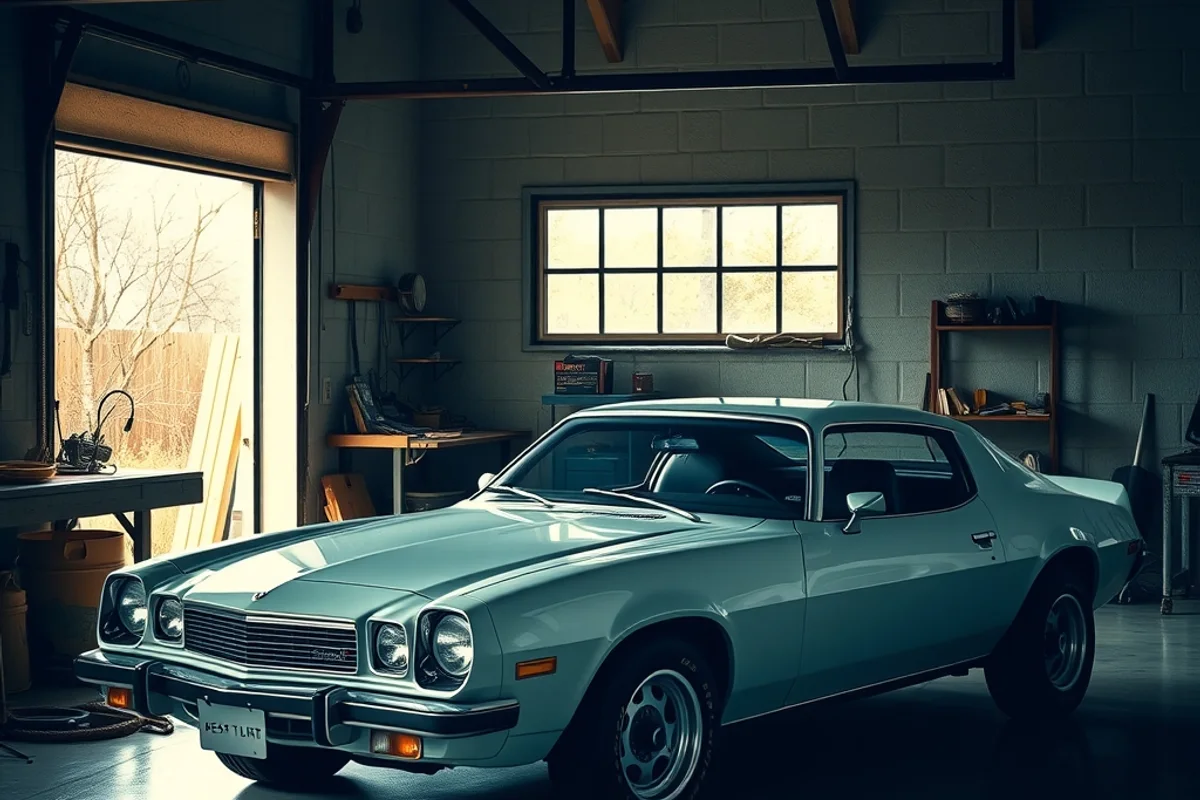
Reliability is a system
An engine needs fuel, air, compression, spark and timing. A classic adds ageing to every one of those. Rubber hoses crack from the inside. Fuel tanks rust. Carburettors wear at the throttle shaft. Distributor advance weights stick. Spark plug leads break down with heat. None of these failures is exotic, and all of them are diagnosable.
The mistake is to buy a car that looks good and assume it will drive well. Paint and chrome are cosmetic. The systems underneath decide whether you arrive.
Fuel and ignition first
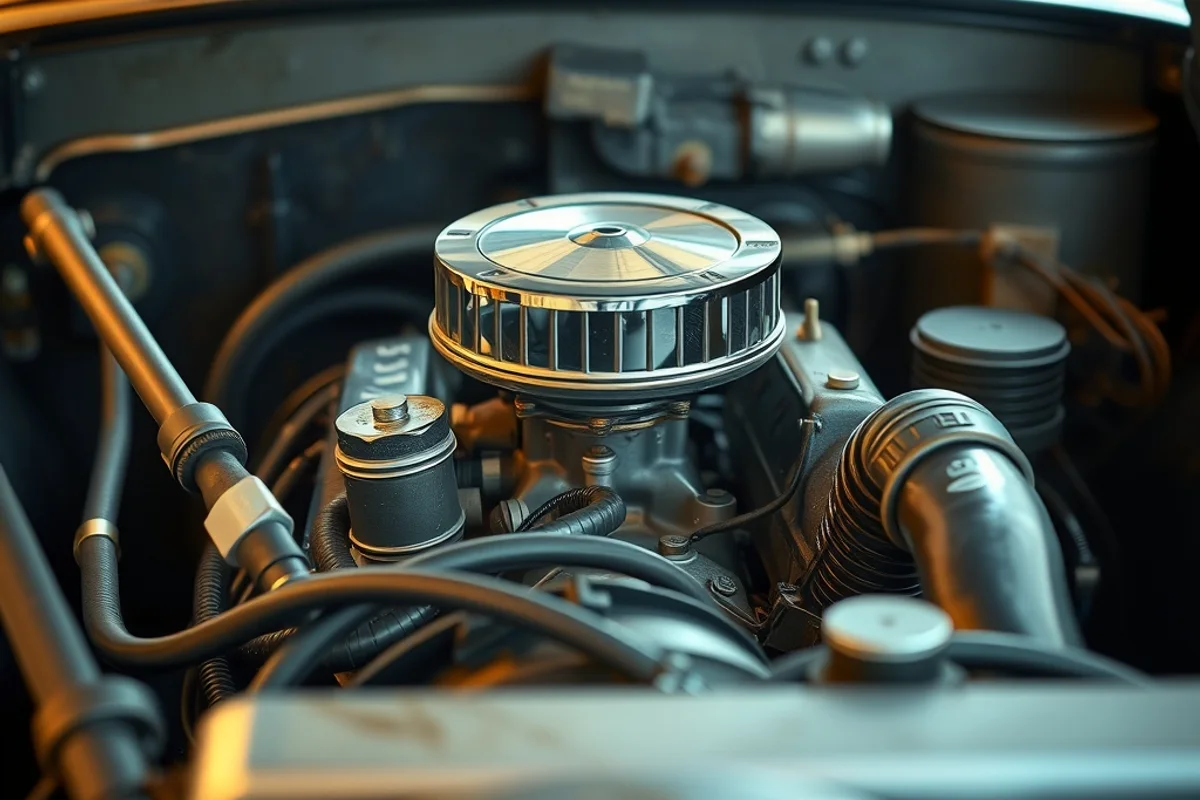
On a carburetted car, check for a clean fuel tank, a functioning mechanical or electric pump and a carburettor that is not worn out. A rebuild is not expensive on many models, but a tank full of rust will keep contaminating the system. Look for a fuel filter that has been changed recently and ask whether the tank has been cleaned or replaced.
On the ignition side, inspect the distributor cap, rotor arm, leads, coil and points or electronic conversion. A common upgrade is a contactless ignition module, which removes the points wear and makes cold starts more consistent. It is reversible and sensible for a driver, though it may not be acceptable for a concours car.
Cooling and the modern traffic problem
Classics were designed for a world with less traffic and different fuel. A radiator that was adequate in 1970 can struggle in a summer queue. Check the radiator core, the fan, the thermostat, the water pump and the hoses. An electric fan conversion and a modern radiator core are common, effective upgrades. They do not change the character of the car; they just stop it overheating.
A classic that overheats in traffic is not a classic. It is a stationary object with a nice paint job.
Electrics: the quiet culprit
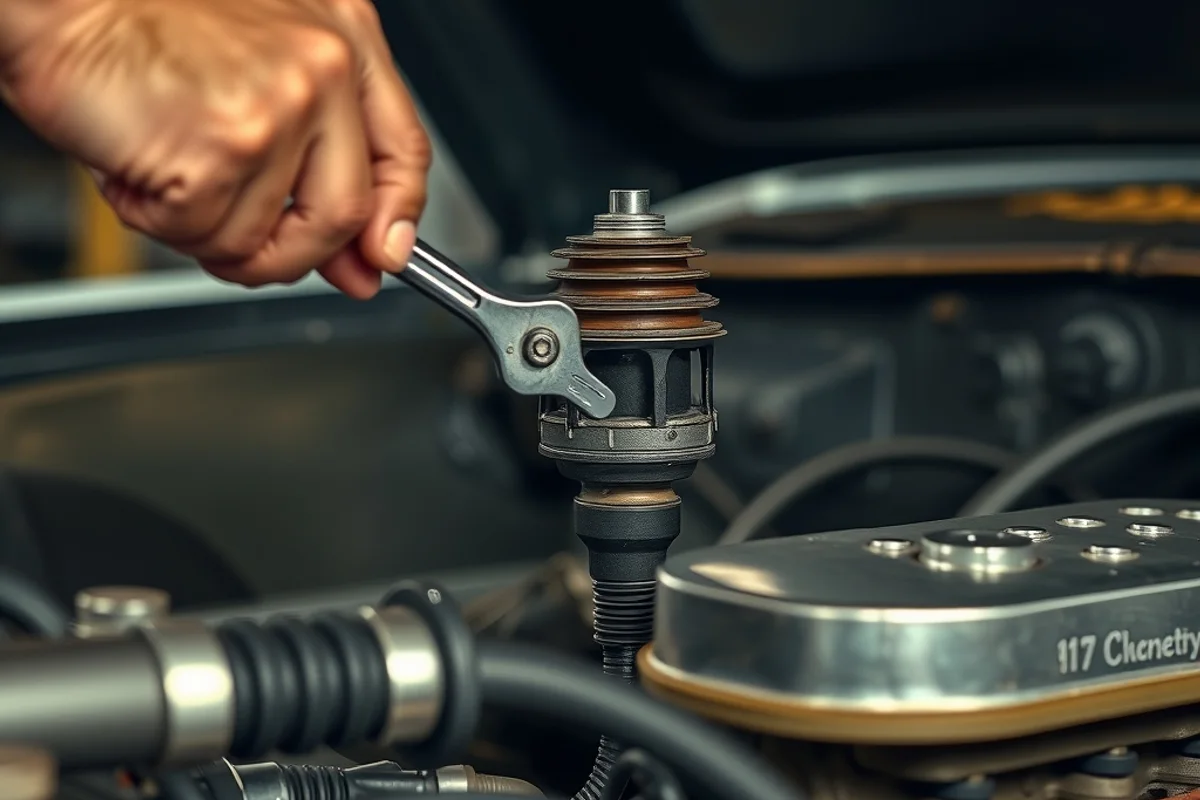
Old wiring suffers from corrosion, brittle insulation and poor grounds. Symptoms can be bizarre: lights that dim when the indicators flash, gauges that wander, a starter that clicks. Check the battery, the ground straps, the fuse box and the alternator or dynamo output. A modern blade-fuse conversion is a worthwhile safety upgrade on many cars.
Do not overlook the condition of the wiring loom under the bonnet. Heat and oil degrade insulation. A loom that crumbles when moved is a fire risk. If you are not confident, have an auto electrician inspect it before you buy.
The pre-purchase inspection
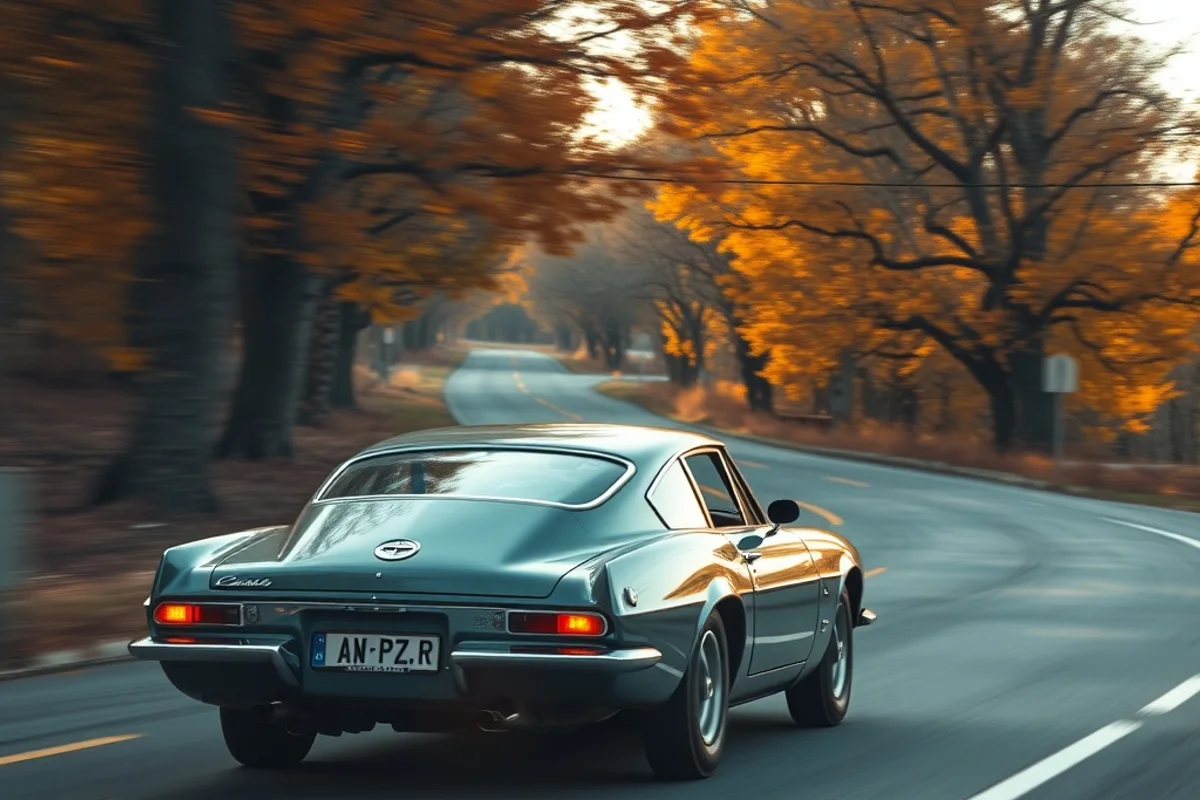
Drive the car from cold. A seller who has warmed it up before you arrive is hiding something. Listen for the starter, the fuel pump and the first few seconds of running. Let it idle until the fan cycles. Take it on a route with a hill, a traffic queue and a fast road. Check that it stays in temperature, that the brakes pull straight and that the gearbox shifts cleanly when warm.
Look underneath for rust in the floors, sills, subframe mounts and suspension pickup points. Cosmetic rust is a negotiation; structural rust is a walk-away unless you have a welder and a realistic budget. Check the VIN and the paperwork against the car. A classic with a unclear history is a gamble, no matter how well it drives.
A short list of usable classics
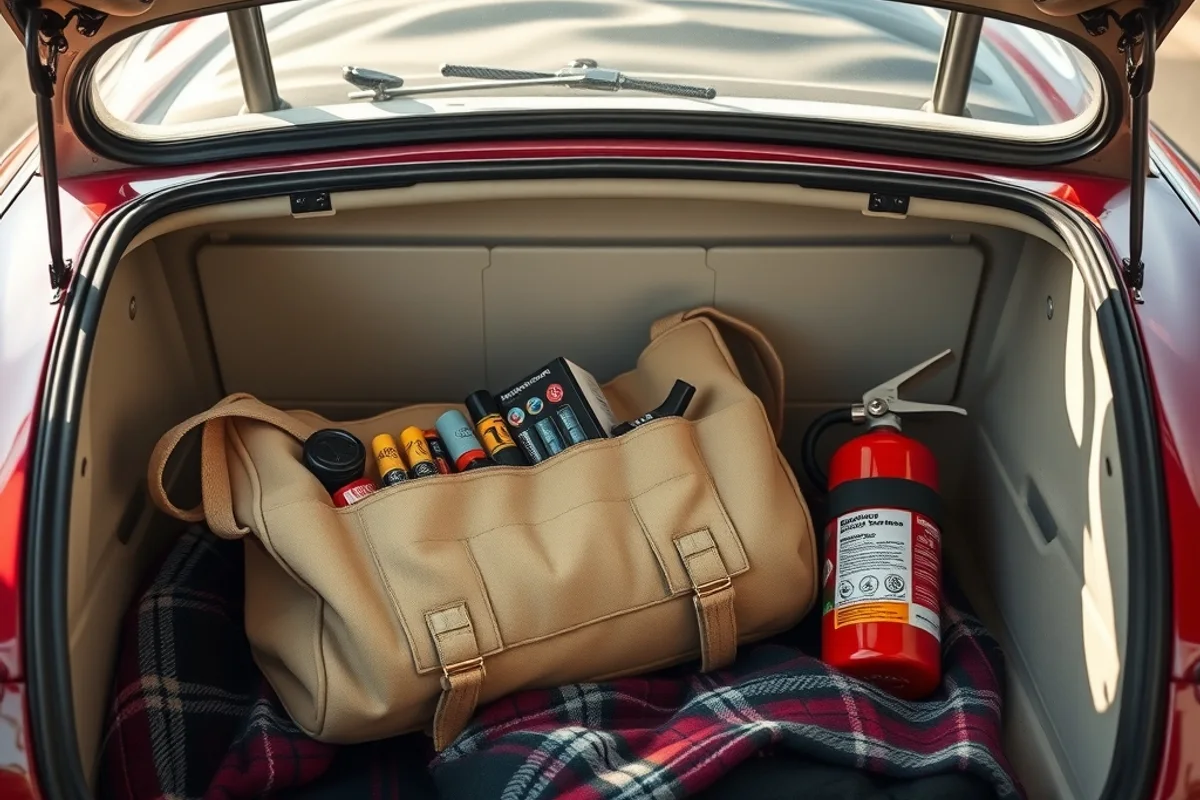
The most usable classics tend to be simple, well supported and mechanically robust: a four-cylinder coupe or saloon with a strong owners' club, available parts and a simple electrical system. Popular models are easier to keep on the road because someone, somewhere, has already solved your problem. Rarity is charming until you need a water pump.
Set aside a purchase budget and a separate sorting budget. Even a good car will need tyres, fluids, hoses, a battery and a tune-up in the first year. Join the owners' club before you buy, not after. The classifieds and the forum will tell you more about real ownership than any auction description.
A classic that starts every time is not a fantasy. It is a car with a sorted ignition, a clean fuel system, a healthy cooling system and a wiring loom that has been maintained. Find one of those and the romance has a chance to last.