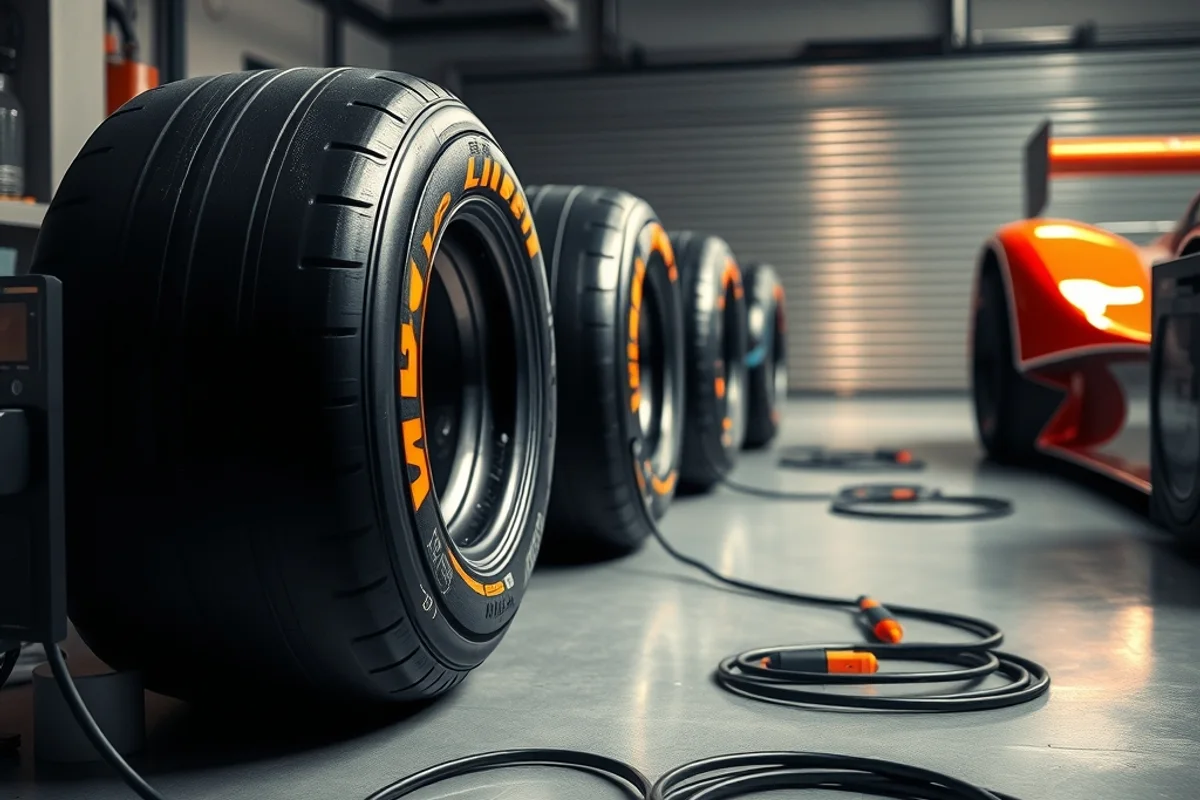
The first race weekend is sold as a licence, an entry fee and a car. That version is technically true and practically useless. By Sunday evening most novices have spent two to three times the number they wrote down, and almost none of the overrun comes from the things they expected. It comes from tyres, travel, safety equipment and the small mechanical failures that a road car never asks you to think about.

Start with the licence and the school
In most national systems you begin with a novice licence, which requires a medical declaration, a membership with the sanctioning body and a driver training course. Budget for the course, the licence, the medical and the club membership together. The exact figures vary by country, but the pattern does not: the paperwork is a few hundred units of currency, not a few thousand.
The school itself usually includes track time, classroom sessions and a written or practical assessment. Ask whether the fee includes the car, fuel and tyres or whether you arrive with your own. Arrive-with-your-own sounds cheaper until you discover that a road tyre set is consumed in a day and a half.
The car you already have is probably enough
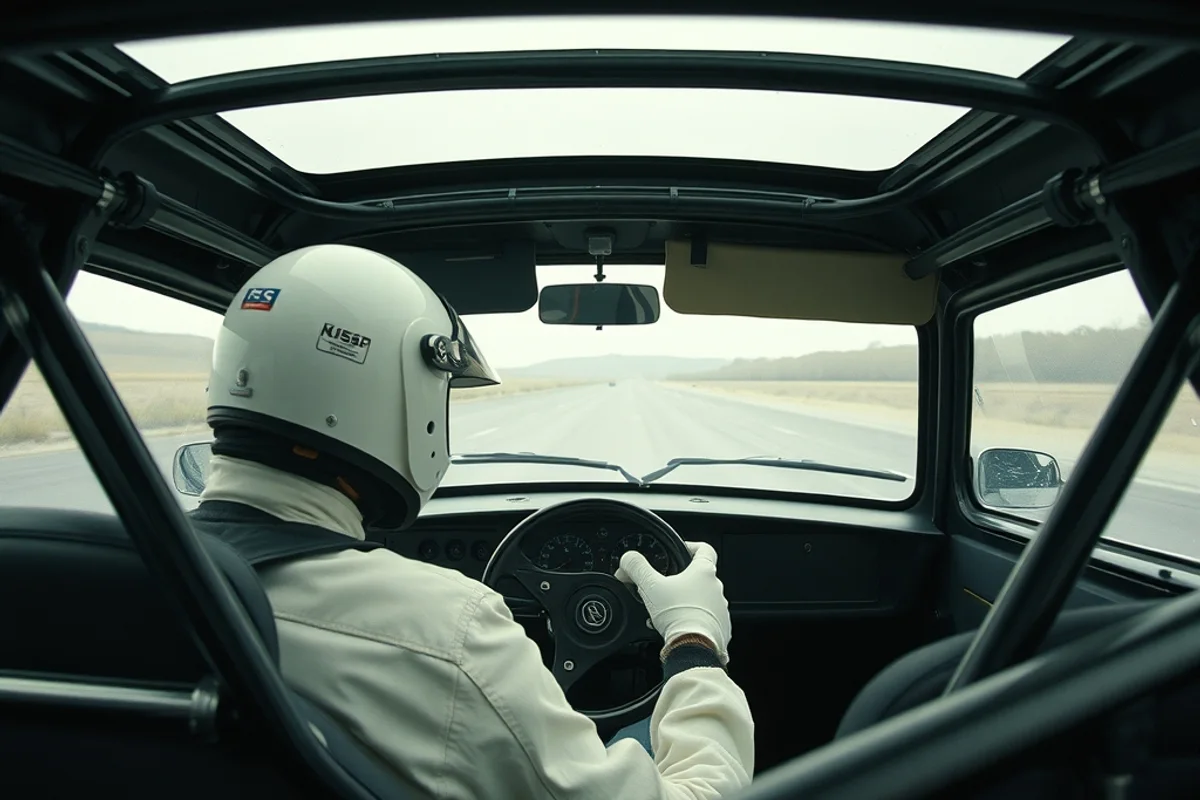
Entry-level club classes exist precisely so that a standard hatchback or compact coupe can compete with safety equipment and very little else. Read the technical regulations before you buy anything. A car that is eligible for a popular class will have cheaper consumables, more available setup advice and a field to race against. A car that is eligible for nothing is a project, not a race car.
Preparation for a first season should be boring: fresh brake fluid, a proper brake pad compound, new engine oil, a coolant flush, a battery tie-down that passes scrutineering and a torque wrench in the toolbox. Do not spend the first budget on a coilover kit. Spend it on making the car finish.
Safety gear: buy once, cry once
Helmet, HANS or hybrid device, fire-resistant suit, gloves, shoes, balaclava and, in most classes, a racing seat and harness. This is the one area where second-hand is a false economy unless you know the history and the certification dates. Helmets and harnesses expire. A cheap expired harness is not a bargain; it is a failed inspection and a safety risk.
Buy the best safety equipment you can afford, then spend the rest of the budget on seat time. A faster driver in a slow car will always beat a slow driver in a fast one.
Fit matters as much as specification. A suit that restricts your shoulders will make every steering input late. A helmet that presses on your forehead will be unbearable by the second session. Try gear on with the balaclava and the HANS device, not in isolation.
The weekend bill, line by line
- Entry fee: usually the smallest fixed cost, and the one people anchor on.
- Fuel: race fuel, tow vehicle fuel and generator fuel are three separate lines.
- Tyres: one new set is normal; two is common in a competitive class.
- Travel and accommodation: two nights, meals and circuit parking add up quickly.
- Consumables: brake pads, fluid, oil, filters, cleaning supplies and cable ties.
- Damage reserve: a real line item, even if you hope never to use it.
Consumables are the real subscription
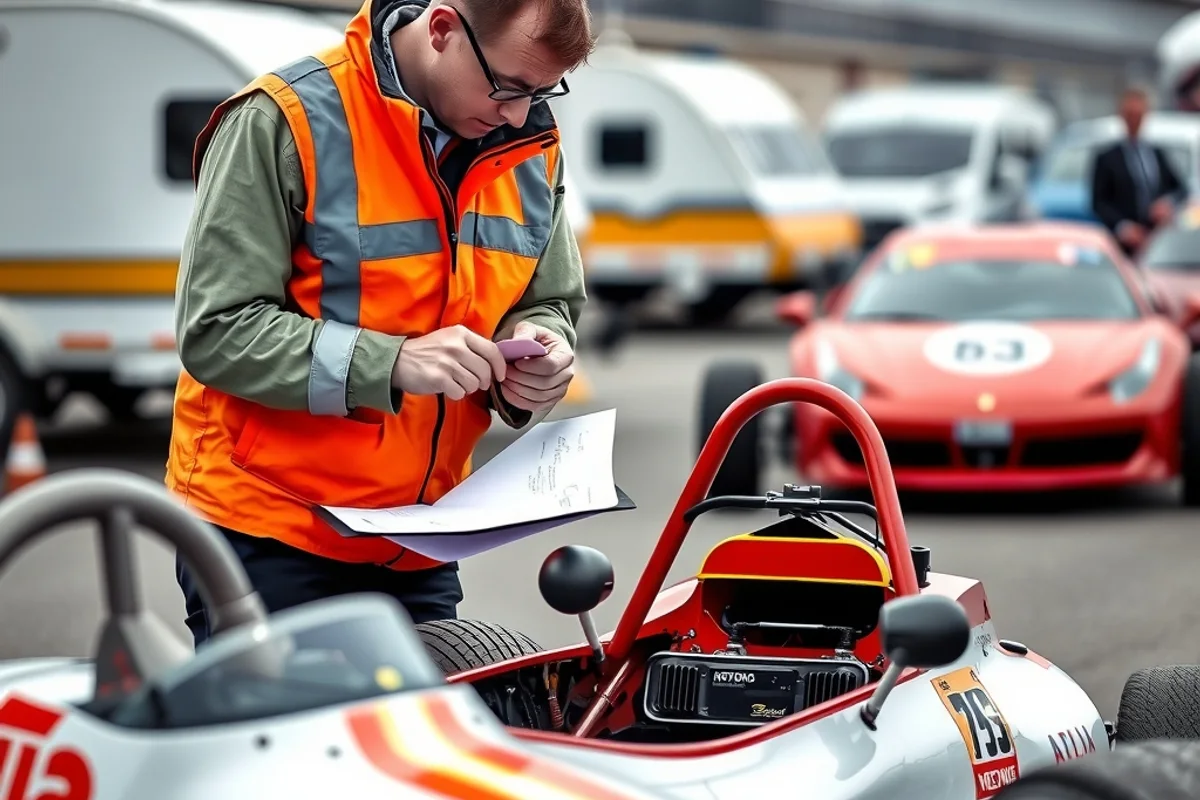
A sprint weekend typically includes practice, qualifying and two or three races. That is enough running to wear a set of soft tyres meaningfully and to cook a standard brake pad in a heavy car. The mistake is buying the grippiest tyre available for your first season. A harder compound lasts longer, tolerates heat better and teaches you more about slip angle because it gives you warning before it lets go.
Keep a log from day one: session, tyre set, pressures hot and cold, ambient temperature, lap times and any change you made. After three weekends you will know more about your car than any forum thread can tell you. The log is also the document that makes a used race car easier to sell later.
What nobody budgets for
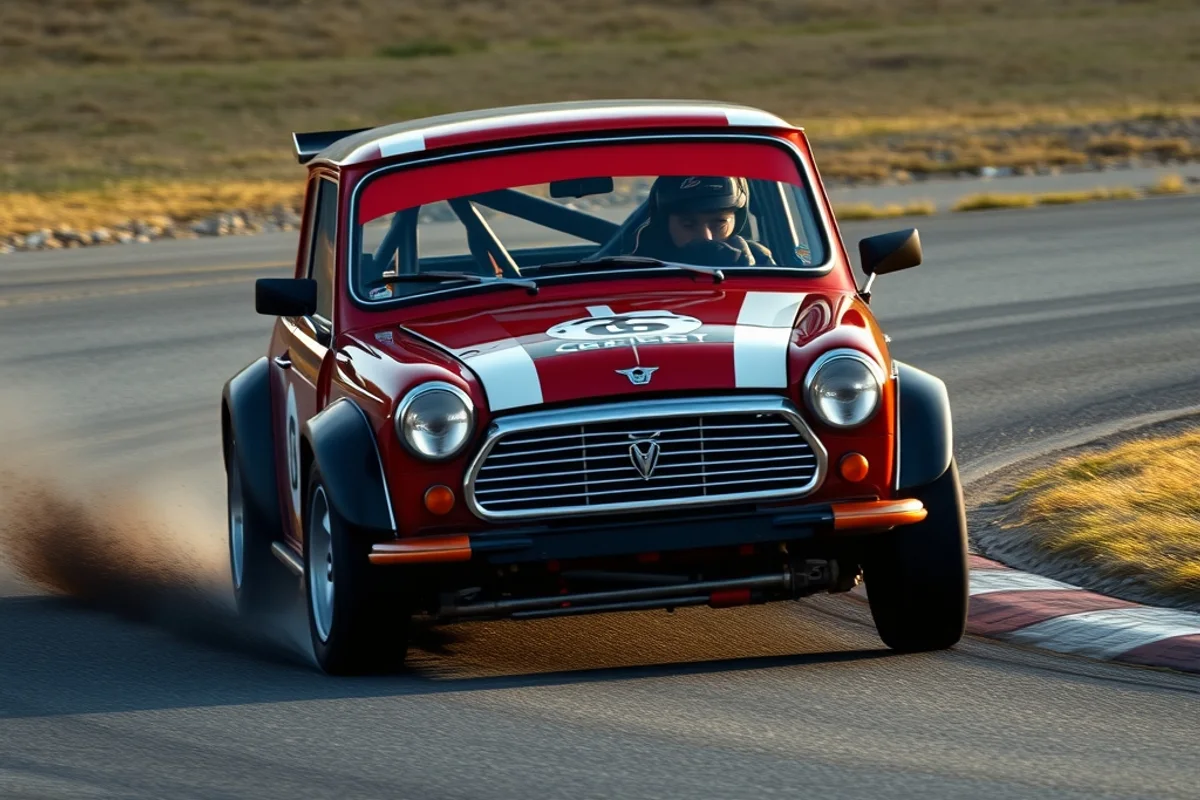
The first hidden cost is the tow vehicle. A hatchback on a small trailer is fine until you need to carry wheels, tools, a canopy and a second person. The second is storage: a race car that lives on a trailer in a rented yard costs money every month, whether you race or not. The third is time. A club weekend is usually two days at the circuit plus a day of preparation on each side.
Then there are the failures. A clutch that was fine on the road will not necessarily survive repeated standing starts. A radiator that coped with traffic may not cope with sustained load. A wheel bearing that made no noise at 60 km/h can be obvious at 140 km/h. Keep a reserve of roughly 15 to 20 percent of the weekend budget for the unexpected, and do not treat it as spending money when nothing breaks.
A realistic first-season number
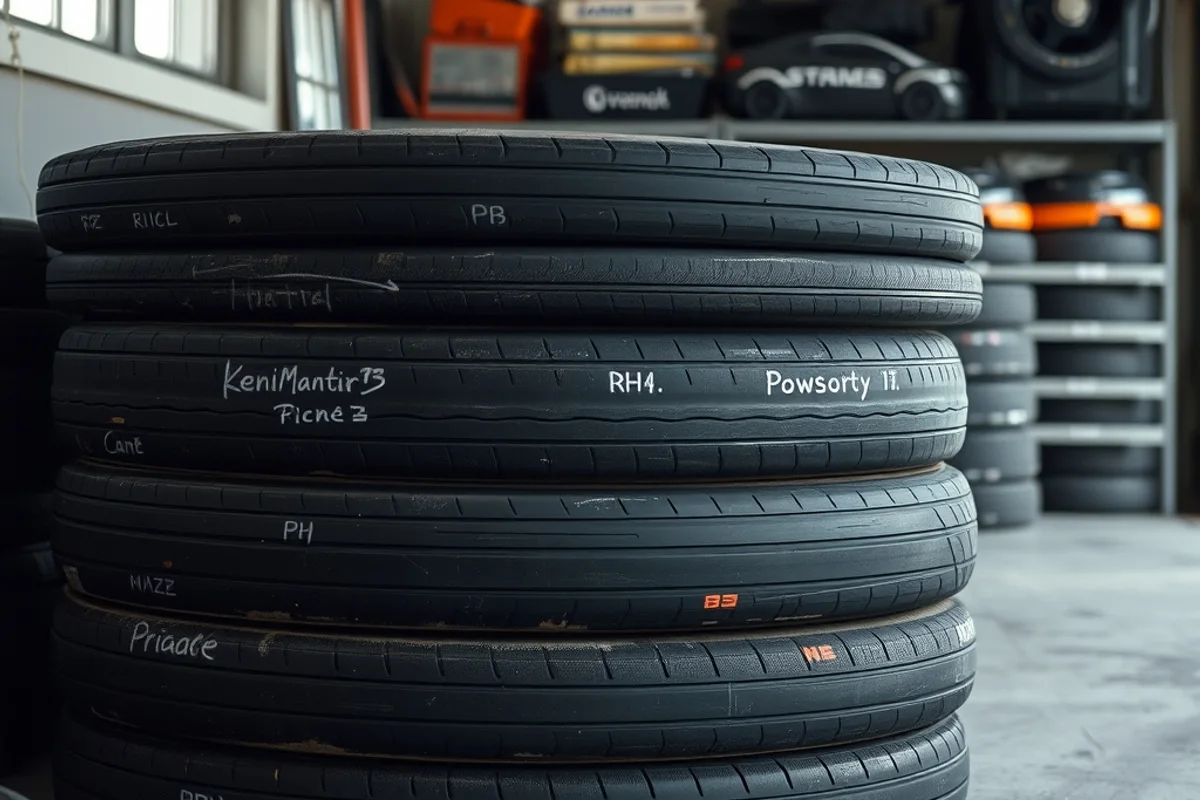
For a novice in an entry-level class, a sensible planning figure is the cost of four to six weekends plus the initial safety gear and car preparation. If that total is uncomfortable, race fewer weekends rather than cutting safety or maintenance. A season of three well-prepared events is worth more than six weekends where the car is always one failure away from the trailer.
The good news is that club racing is still one of the few motorsports where the person matters more than the budget. Spend on brakes, tyres that suit the class and instruction. Skip the carbon fibre until you can consistently hit the same braking point three laps in a row. The stopwatch does not care what the bodywork cost.