Every electric car advertisement quotes a peak charging power. Every owner eventually learns that the peak lasts about as long as a sprint finish. The number that matters on a road trip is the average power between the state of charge you arrive with and the state of charge you need to leave with. That average is shaped by chemistry, temperature, charger behaviour and a decision the driver makes before plugging in.
The charging curve, in plain English
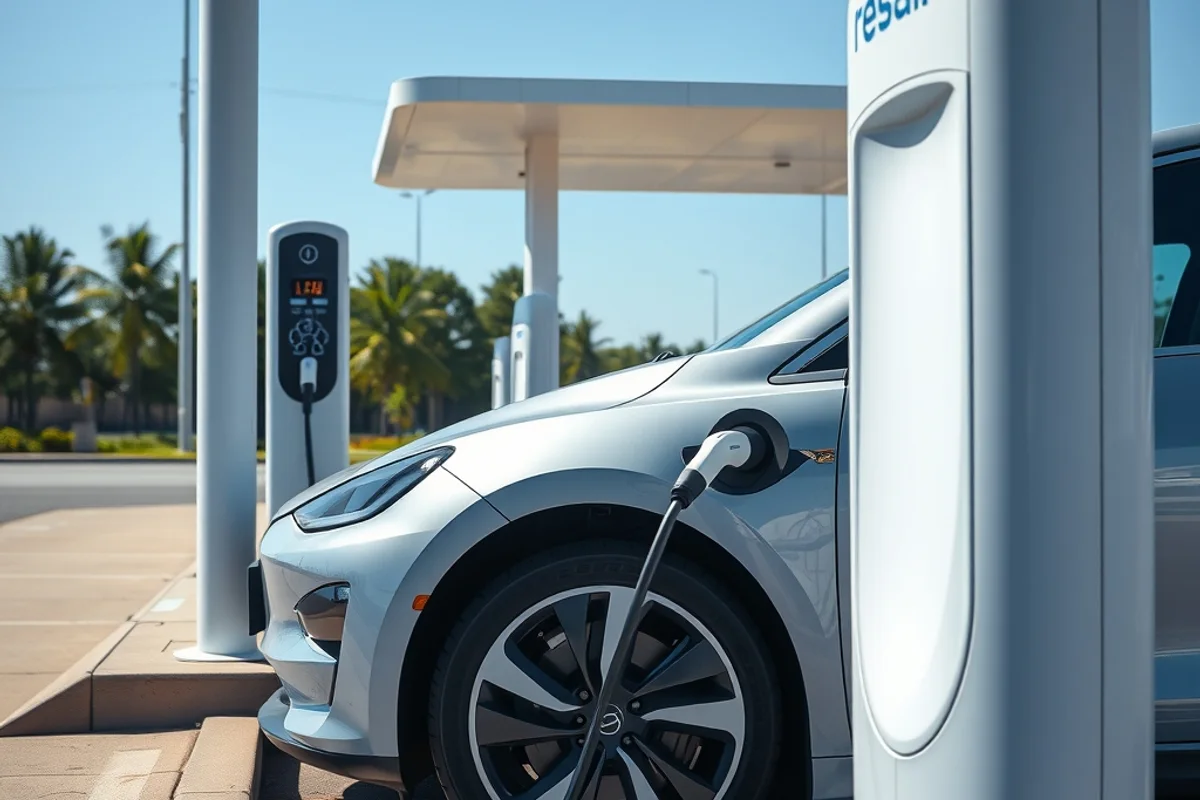
A lithium-ion battery accepts current most readily when it is relatively empty and relatively warm. As it fills, the battery management system tapers the power to protect the cells. A car that advertises 250 kW might hold that figure from 10 to 30 percent, drift to 150 kW by 50 percent and sit near 80 kW by 80 percent. The same car might average only 110 kW across the whole stop.
This is not a defect. It is how the chemistry stays healthy. The practical consequence is that the fastest trip is rarely the one with the longest single stop. It is the one with several short stops in the battery's happy window, usually somewhere between 10 and 60 percent.
Preconditioning is not a gimmick
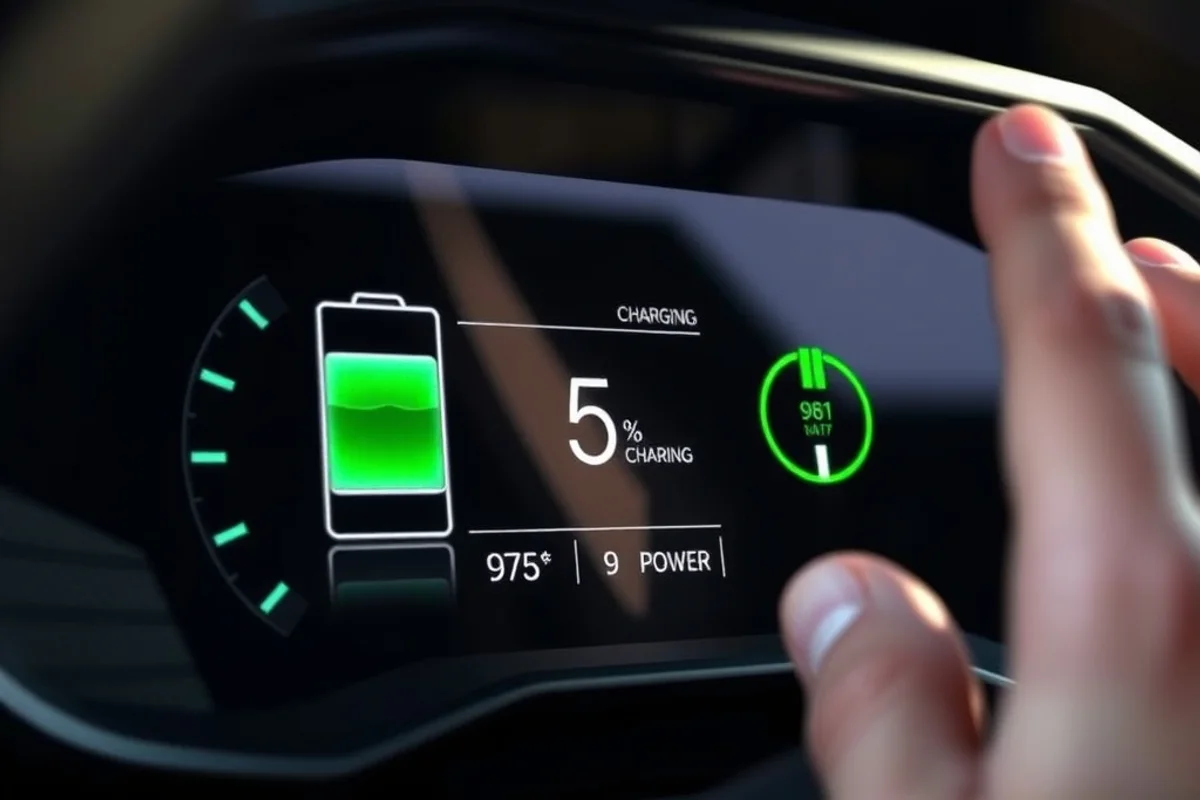
Cold batteries charge slowly. Many modern EVs can heat the pack before arrival if you set a fast charger as a navigation destination. Use that feature, even when the outside temperature seems mild. A pack at 25 degrees Celsius will accept far more power than one at 8 degrees, and the difference can be ten minutes on a single stop.
Preconditioning costs energy. On a short trip it may be a net loss. On a long trip with multiple stops it usually pays for itself. If your car offers manual battery heating, avoid switching it on an hour before arrival unless the car's own logic tells you to. Overheating the pack can also trigger a taper.
Arrive low, leave early
The single biggest driver-controlled variable is arrival state of charge. Arriving at 8 percent and leaving at 55 percent will almost always be faster than arriving at 30 percent and leaving at 80 percent, even though the latter feels safer. The first stop uses the steep part of the curve; the second spends most of its time in the taper.
This requires trust in the route planner and a buffer for detours. A sensible rule is to plan arrival at 10 to 15 percent with a known backup charger within range. On a first trip in a new car, add 5 percent until you understand how the range estimate behaves in wind and rain.
The fastest charging stop is usually the shortest one. Stop for what you need to reach the next charger, not for a full battery you do not need yet.
Charger power versus car power
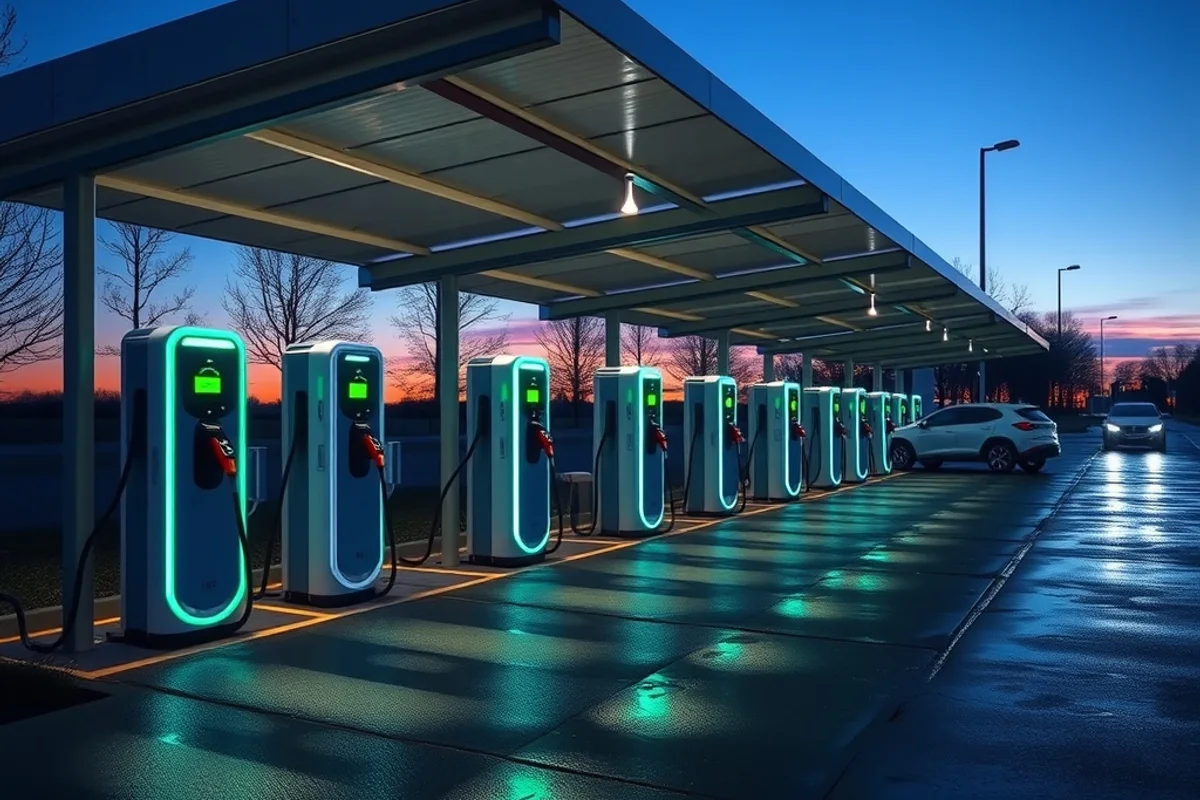
A 350 kW charger cannot force a car to accept 350 kW. The car's onboard limits, the charger's current sharing, the cable temperature and the site's grid connection all matter. Older 50 kW stations are the real bottleneck on many routes, especially in rural areas. A car with a 150 kW peak and a reliable 150 kW station will beat a 250 kW car that keeps finding 75 kW sites.
Reliability is part of the specification. Check recent check-ins on charging apps, not just the map pin. A site with four stalls and two working is effectively a two-stall site at peak times. If you are travelling on a holiday weekend, plan around the busy corridor rather than hoping.
Weather, load and the cost of speed

Headwind, rain and a roof box all increase consumption. They also change the optimal strategy: if you are using more energy per kilometre, you may need a slightly longer stop, but you still do not need 100 percent. Cabin heating in winter can take a meaningful share of the battery, especially on short journeys. Seat and steering-wheel heating use less energy than heating the whole cabin.
Charging tariffs are another variable. Some networks charge per minute after a certain point, some per kWh, and some add idle fees. A 20-minute stop at an expensive motorway charger can cost more than a slower stop at a cheaper site with a coffee shop. For long trips, a 10-minute detour to a cheaper, reliable hub is often worth it.
Planning a stop that actually takes 20 minutes
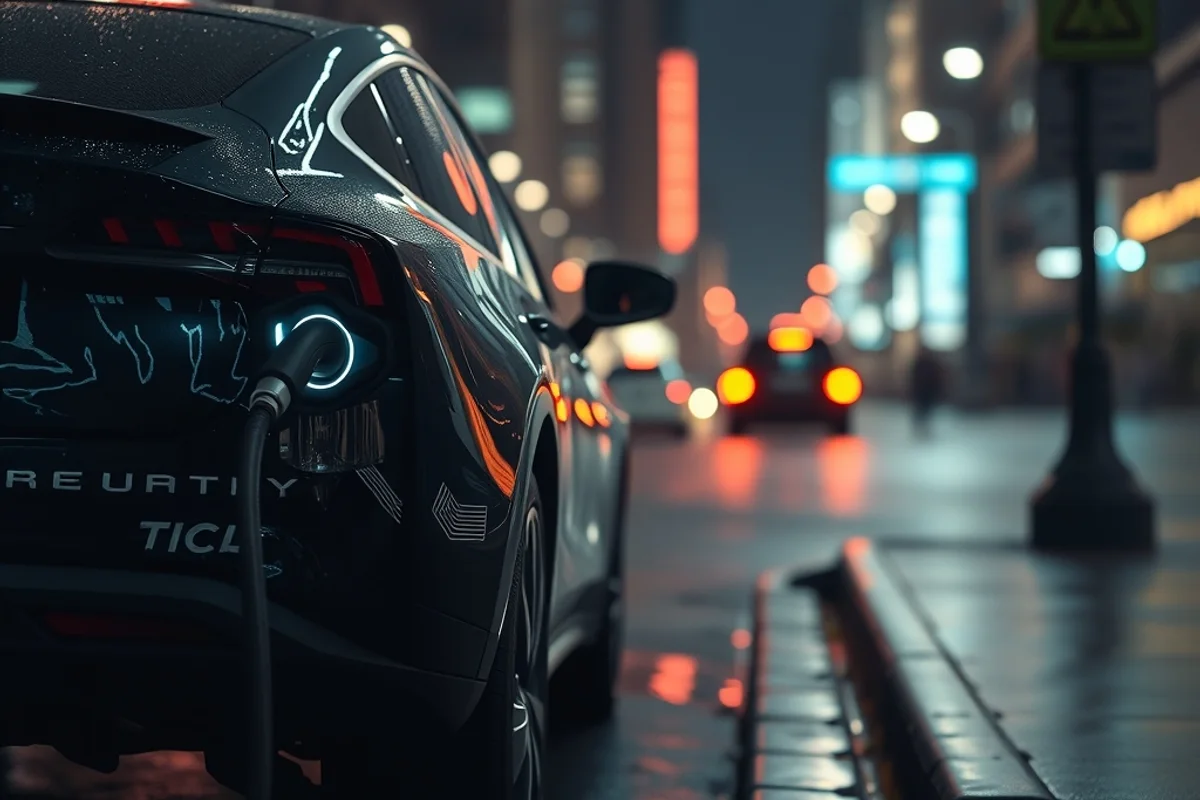
Choose a charger that is at least 50 kW above your car's sustained average, arrive near 10 percent, precondition in cold weather, and leave when you have enough range plus a 15 percent buffer. Walk to the facilities before you plug in, not after. By the time you return, the car will usually be past the steep part of the curve and ready to go.
The 20-minute stop is real, but it is a system: the right car, the right charger, the right arrival charge and a driver who does not treat the battery as a fuel tank. Once those align, the wait stops feeling like waiting and starts feeling like a break.