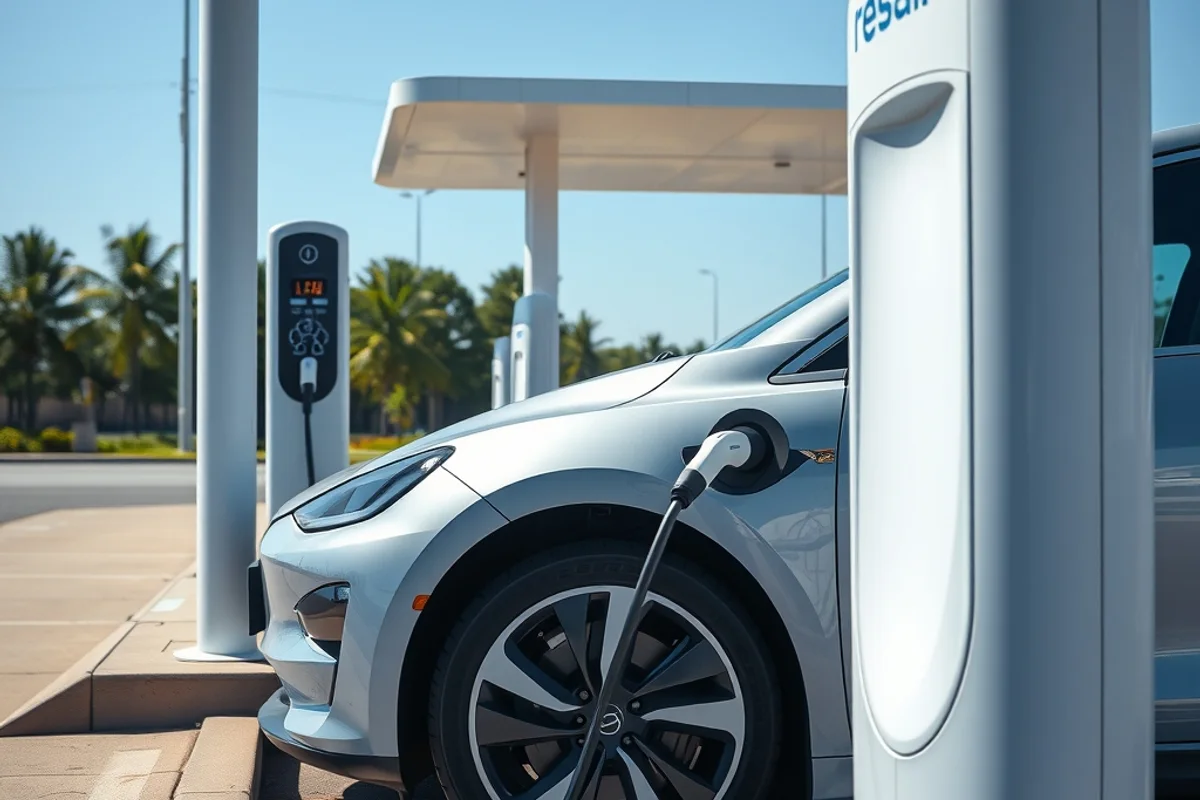
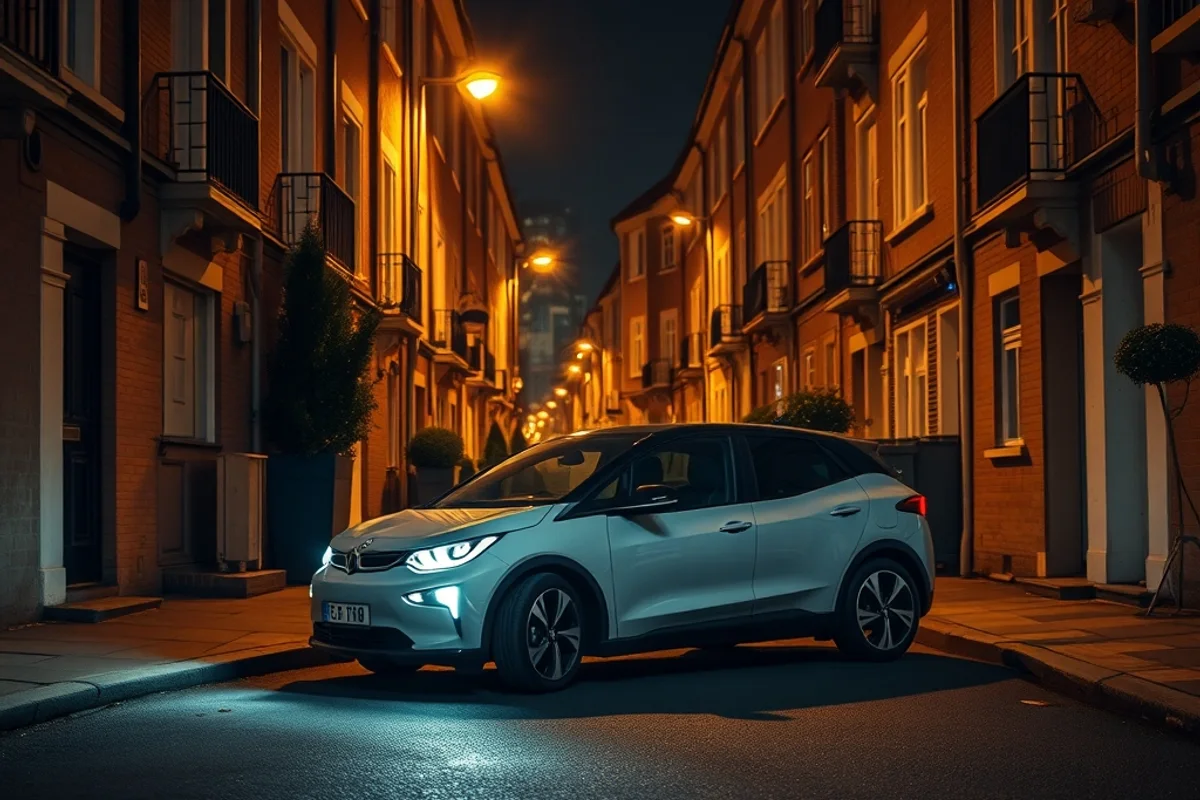
The standard advice for buying an electric car is simple: charge at home, wake up full, stop worrying. It is good advice for anyone with a driveway and a wallbox. It is irrelevant to a large share of city drivers. If you park on the street, rent a flat with a shared garage, or move between temporary homes, ownership looks different. Different does not automatically mean worse, but it does mean doing the arithmetic honestly.
The honest math of public charging
Public fast charging usually costs more per kilowatt-hour than home electricity. In some markets it is two to three times as much. If you drive 15,000 kilometres a year and the car uses 18 kWh per 100 kilometres, that is 2,700 kWh. The difference between a cheap overnight tariff and a public rapids tariff can be a significant annual sum, though still often less than the fuel bill for a comparable petrol car.
Add membership discounts, off-peak rates and the occasional free destination charger, and the picture improves. The point is not that public charging is cheap. It is that the total cost of ownership may still work, especially if you drive fewer kilometres or can charge at work.
Build a routine around your real life
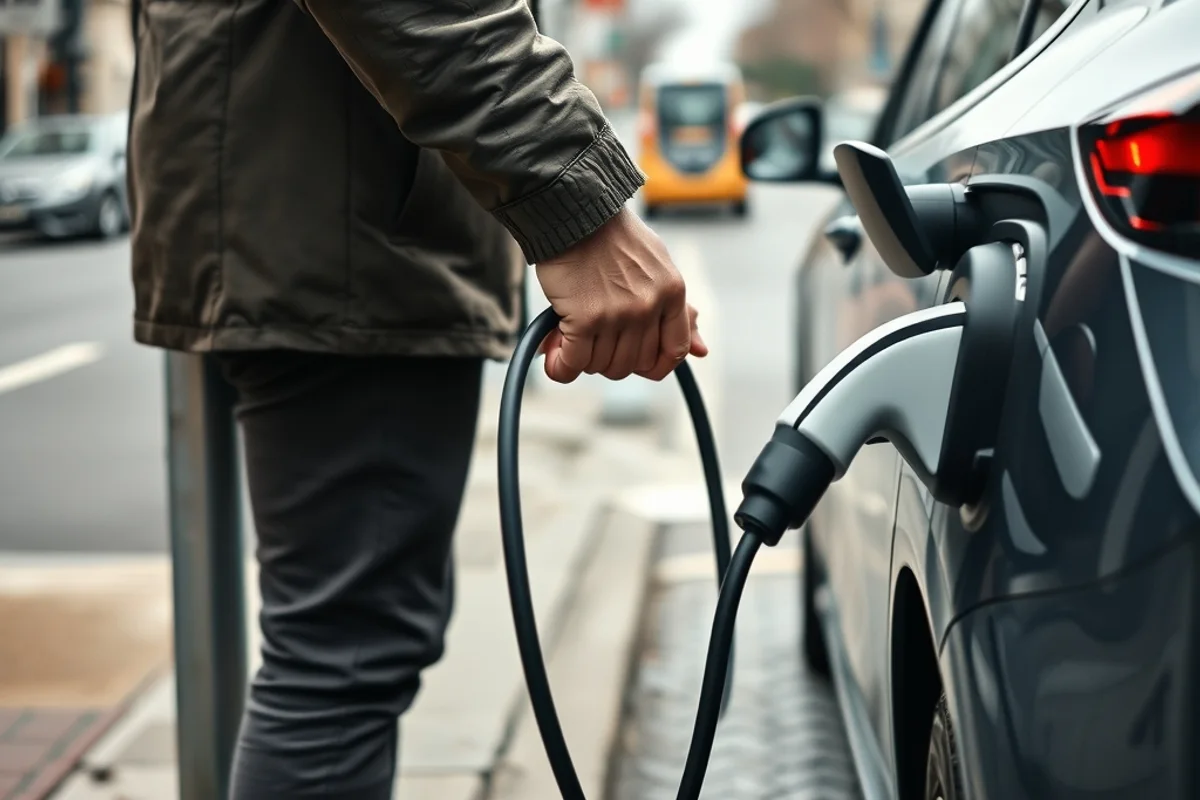
Most drivers do not need to charge every day. A typical commute of 30 to 50 kilometres uses a fraction of a modern battery. The routine that works is usually a weekly fast charge plus opportunistic top-ups while shopping, at the gym or at work. If your car has a 300-kilometre real-world range, one 40-minute session can cover a normal week.
Find two or three reliable sites near places you already go. A charger that is a 12-minute detour is not convenient, even if it is fast. A slower charger at the supermarket where you already spend 40 minutes may be more useful than a 150 kW hub across town.
AC versus DC, and when each makes sense
Alternating-current destination chargers are slow - often 7 to 22 kW - but kind to the battery and usually cheaper. Direct-current fast chargers are for topping up quickly on longer journeys or when your week has gone sideways. Use AC where you can, DC where you must. Repeated DC charging is not automatically harmful, but it is not the ideal diet either.
The best charging routine is the one you can repeat on a bad week, not the one that looks elegant in a spreadsheet.
The costs people forget
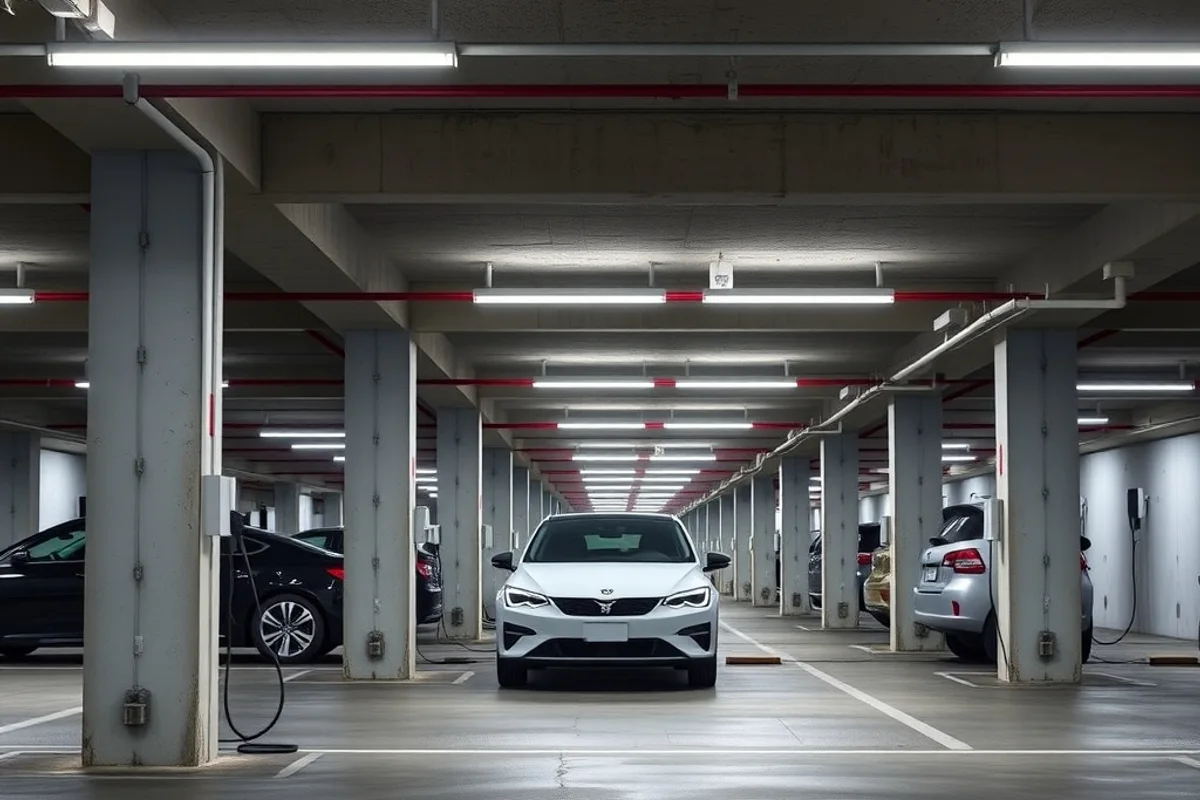
Idle fees, connection fees and per-minute pricing can turn a cheap session into an expensive one. Some networks charge by the minute after 80 percent, which is designed to stop people hogging stalls. Others charge a flat session fee that makes a small top-up poor value. Read the tariff screen before you tap your card.
There is also the cost of your time. A 45-minute detour every week is roughly 39 hours a year. If that time is spent reading or shopping, it may not feel like a cost. If it is spent standing next to a charger in the rain, it is.
Battery care without a home charger
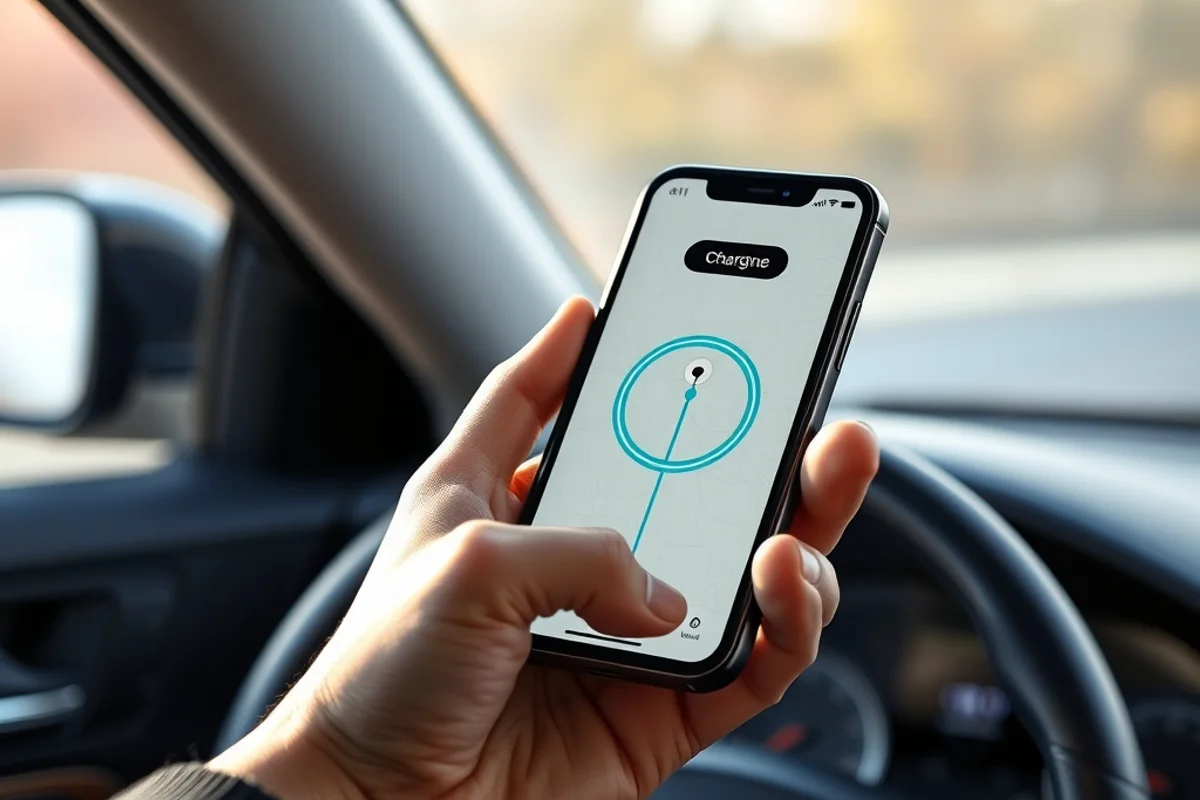
Frequent fast charging to 100 percent is not ideal, but it is not catastrophic. Keep the battery in the middle of its range when you can, use the car's charge limit to stop at 80 or 90 percent for daily use, and save the full charge for trips where you need it. In cold weather, precondition the battery before a fast charge if the car supports it.
A used EV bought by a street parker should be checked more carefully than one with a home wallbox. Ask for a battery health report, look at the fast-charge history if available, and test the car's real range on a route you know. A battery that has lived on rapids is not necessarily bad, but it is a known variable you should price in.
Who should not buy yet
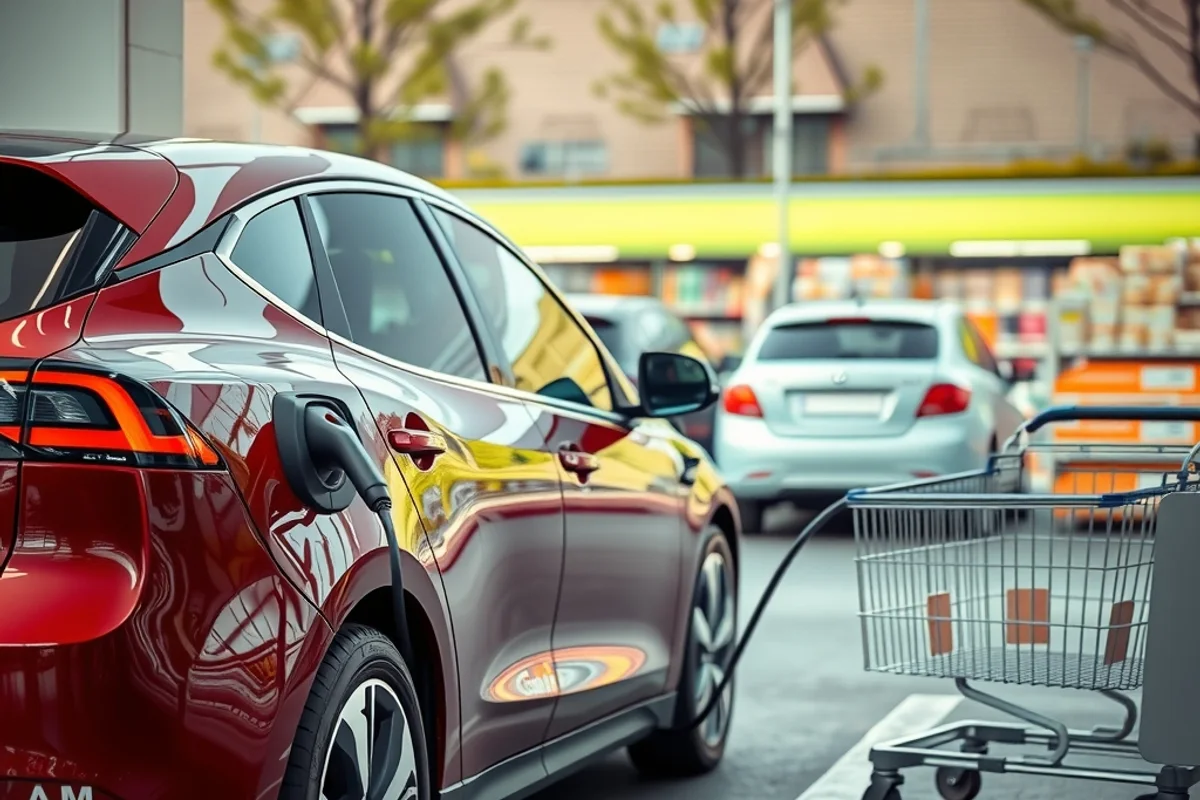
If you cannot charge at home, at work or at a reliable destination at least once a week, and the nearest public charger is unreliable, an EV may be more friction than it is worth. The same applies if you regularly tow long distances, drive in extreme cold without preconditioning, or need a full battery every morning with no flexibility.
For everyone else, the routine is learnable. The first month feels like admin. The second month feels normal. By the third, you will know which charger is free at 7 p.m., which cafe lets you leave the car for an hour, and why the 50 kW site on the ring road is worth skipping. That local knowledge is the real home charger.