Floor liners are not exciting. They do not add horsepower, improve the stereo or make the car look better in a photograph. They do something more useful: they keep water, salt, mud and coffee away from the carpet and the wiring underneath it. In a climate with winter road salt, they are one of the few accessories that can pay for themselves in resale value alone.
What a liner actually protects
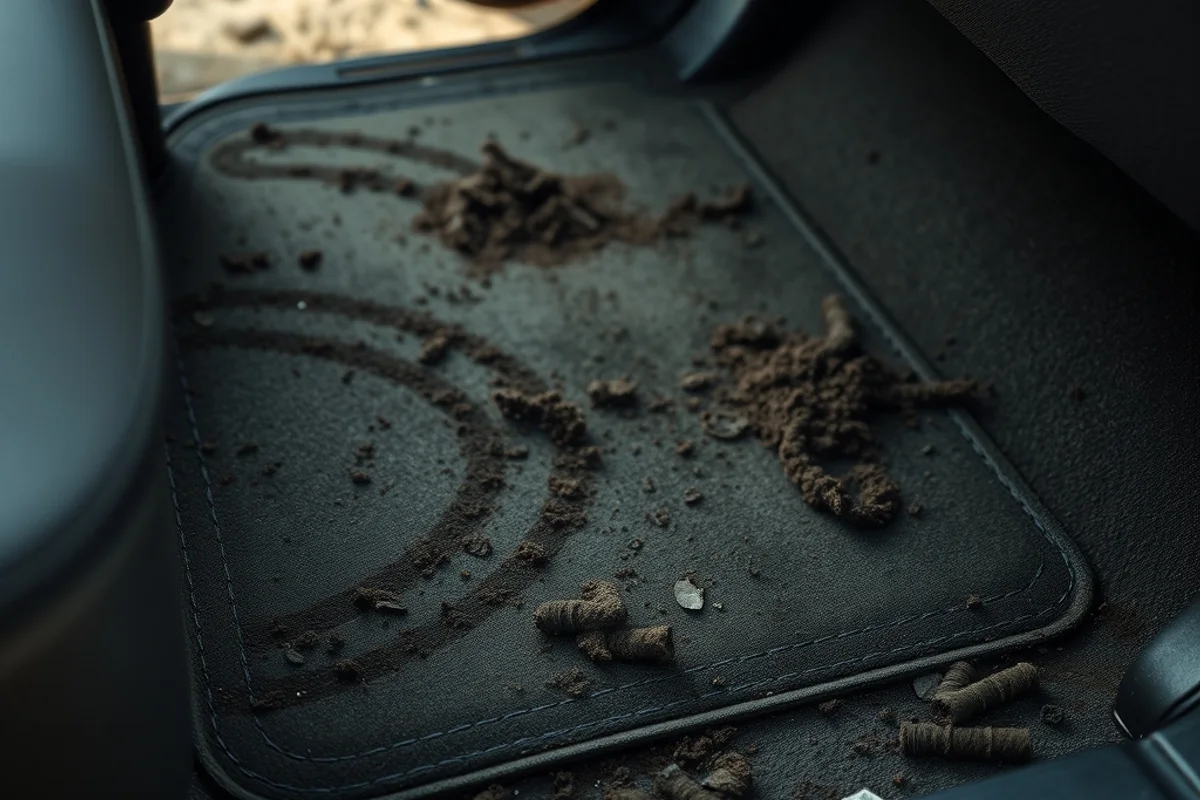
Modern car floors are not just carpet over metal. There are wiring harnesses, connectors, sound deadening and, in some cars, control modules mounted low in the footwell. Water that soaks through carpet can stay trapped for weeks. The result is a musty smell, corrosion and, in the worst case, electrical faults that are expensive to diagnose.
A fitted liner creates a removable barrier. Snow melts, salt stays in the tray and you tip it out. That is the entire value proposition. It is unglamorous and it works.
Fit matters more than material
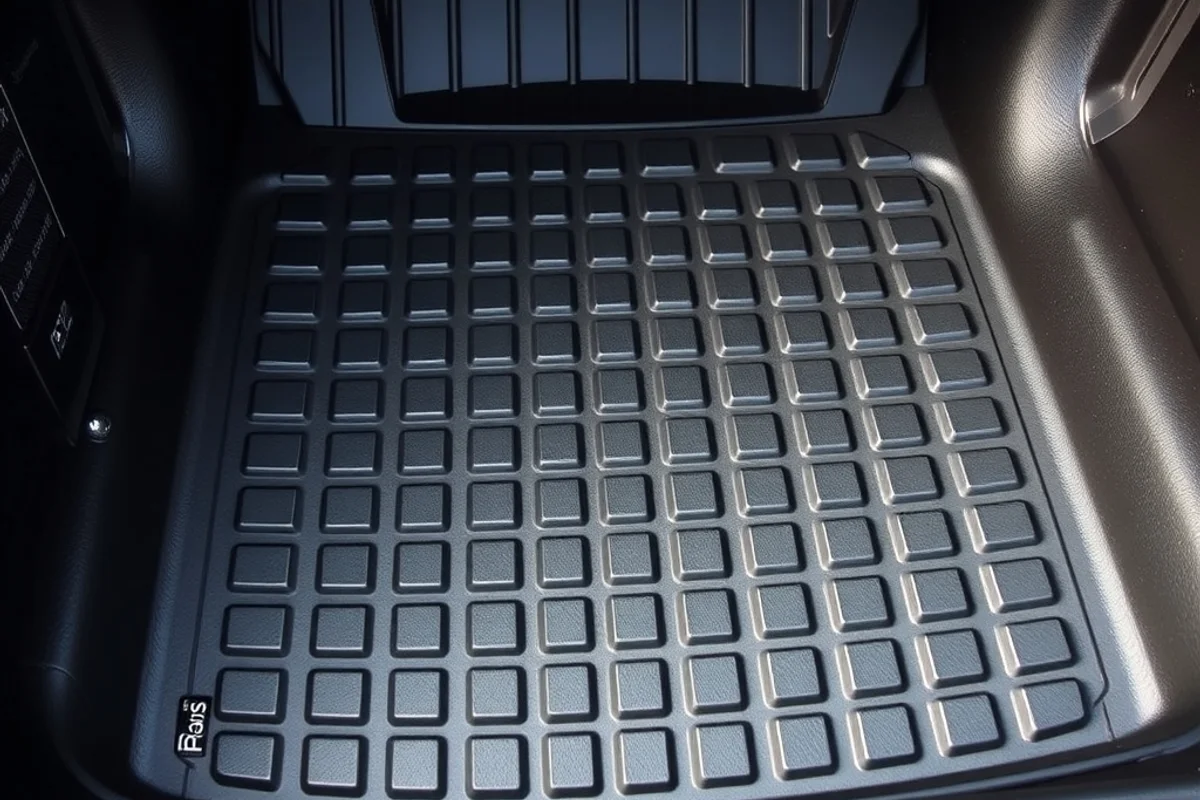
A universal mat with a generic shape will curl at the edges, slide under the pedals or fail to cover the area where your heel rests. A vehicle-specific liner is moulded to the floor pan, including the transmission tunnel and the seat rails. It stays put and covers the whole footwell.
Check that the liner does not interfere with the pedals, the seat adjustment or the fuel filler release. In a manual car, make sure the clutch pedal can travel fully. A liner that fouls a pedal is dangerous, regardless of how well it fits elsewhere.
Materials: rubber, TPE and carpet
Rubber is durable and easy to clean, but it can be heavy and slippery when wet. Thermoplastic elastomer (TPE) is lighter, more flexible and usually has a better grip pattern. It is the most common material for quality all-weather liners. Carpet liners look better in a luxury car, but they absorb water and are harder to clean thoroughly.
Look for a raised lip around the perimeter, a textured heel pad and a backing that will not scratch the paint or trap moisture against the floor. Avoid liners with a strong chemical smell that persists after airing; it usually indicates low-quality material.
Buy the liner that fits your floor pan, not the one that fits the aisle endcap.
Cleaning and winter salt
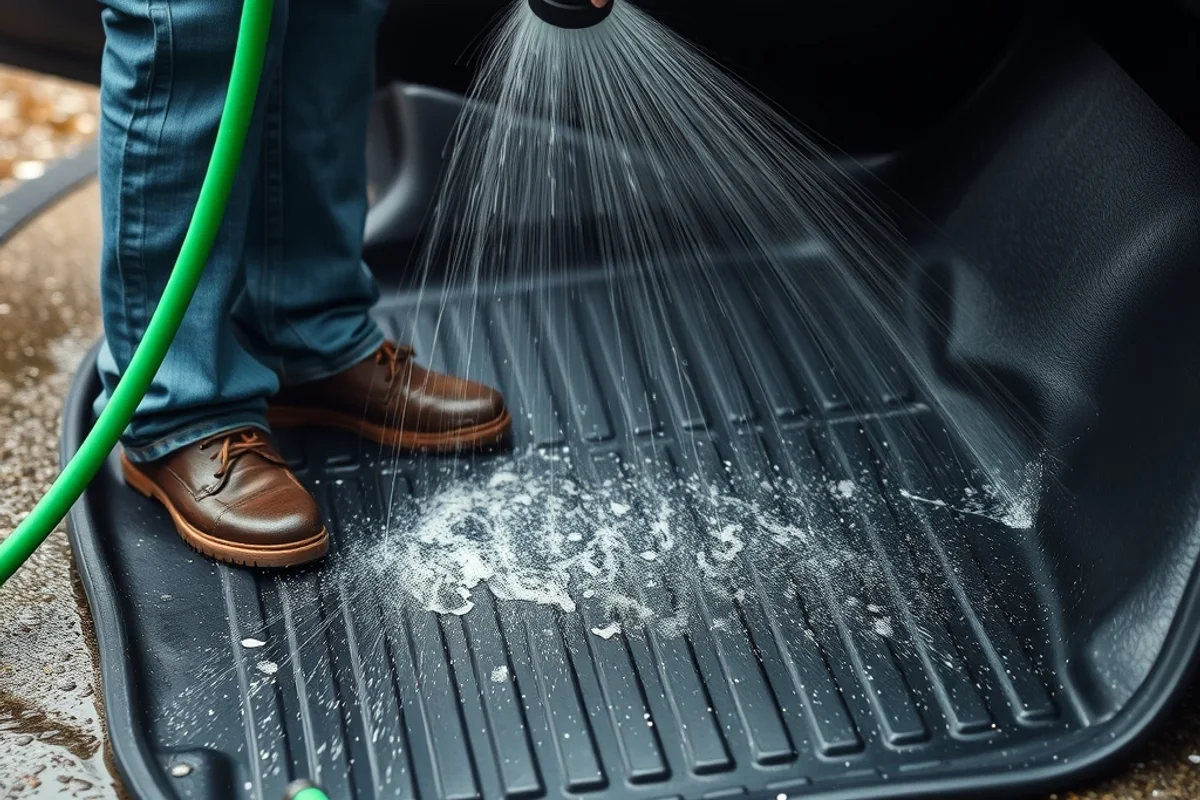
Remove the liners, shake them out and wash them with mild soap and water. Avoid harsh solvents that can dull the surface or make it brittle. Dry them fully before refitting, especially in winter, so you do not trap moisture underneath.
Salt is the real enemy. A liner full of salty slush will eventually overflow if you never empty it. Check the footwells after a bad week and clean the liner before the residue dries into a crust. In spring, remove the liners and inspect the carpet underneath for dampness. A small leak discovered early is much cheaper than a corroded floor pan.
When mats are enough
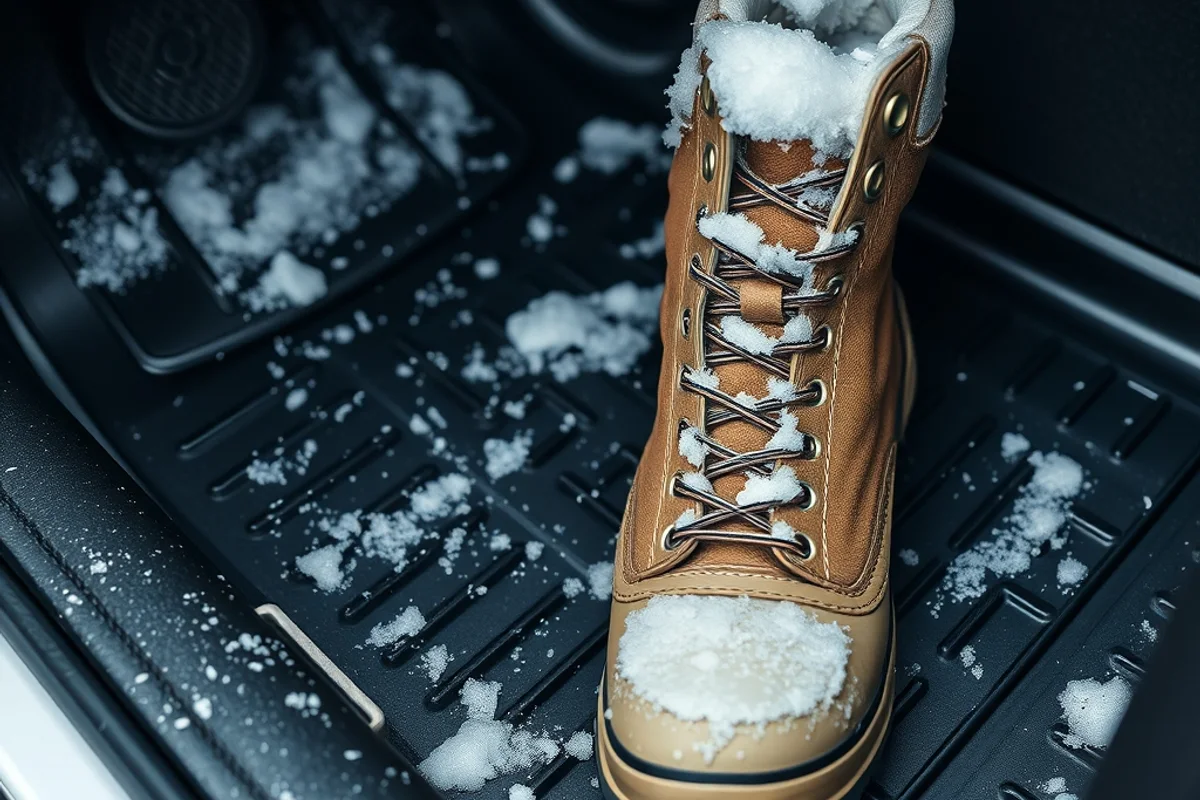
If you live in a dry climate, park in a garage and rarely carry passengers with wet shoes, a good set of carpet mats may be all you need. All-weather liners are most valuable in winter climates, on building sites, at the beach or with children and dogs. They also make sense for a car you plan to sell, because clean footwells are one of the first things a buyer notices.
For a leased car, check the return conditions. Some leases charge for excessive wear to the carpet. A set of liners from day one can avoid that charge, and you can remove them before handover.
The bottom line
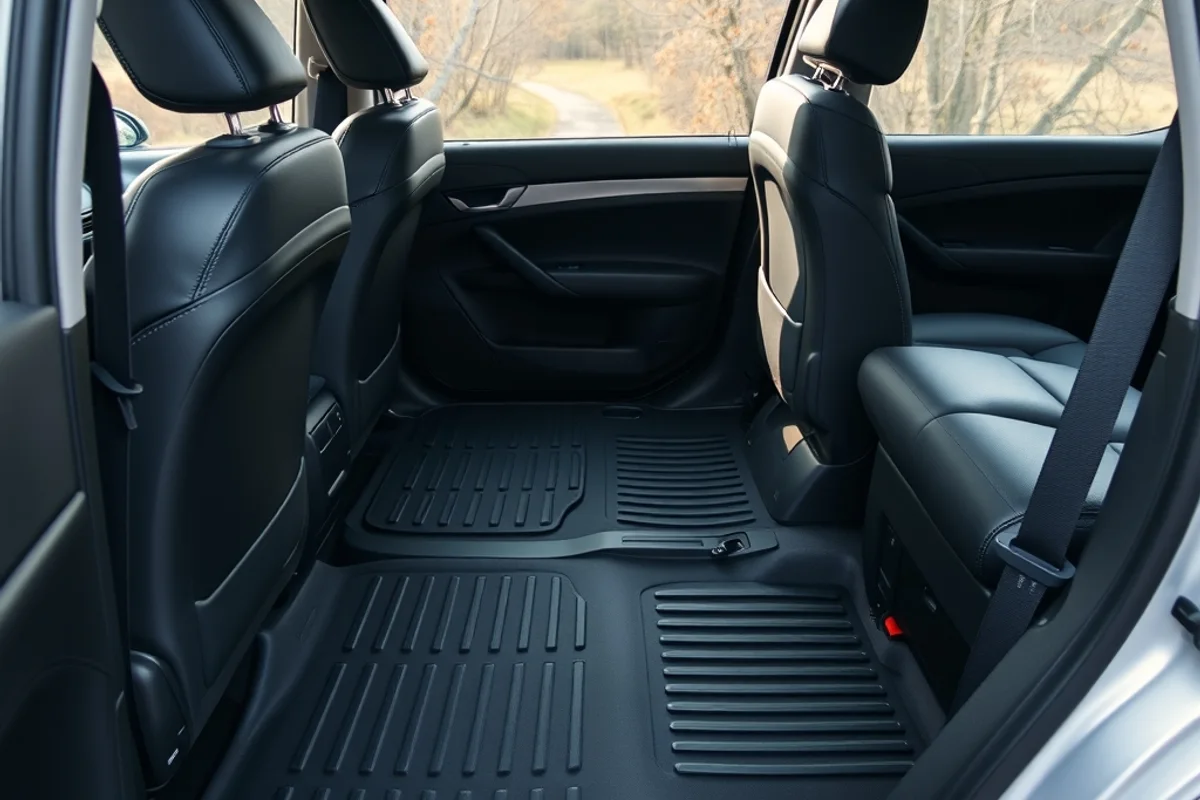
A quality set of fitted liners costs a fraction of a carpet replacement or an electrical diagnosis. It is not a performance upgrade and it will not impress anyone at a car meet. It is simply good ownership. Buy a fitted set, clean it seasonally and check underneath once a year. The carpet you save may be your own.