A dash cam is one of the few car accessories with a clear return on investment. One incident, one false claim or one parking-lot scrape can justify the purchase. But the device has a hard life. It sits behind glass, in direct sun, in a cabin that can reach temperatures high enough to soften plastic. Most failures are not electronic mysteries. They are heat, power and storage problems that could have been predicted.
Heat is the enemy, and the cabin is the oven
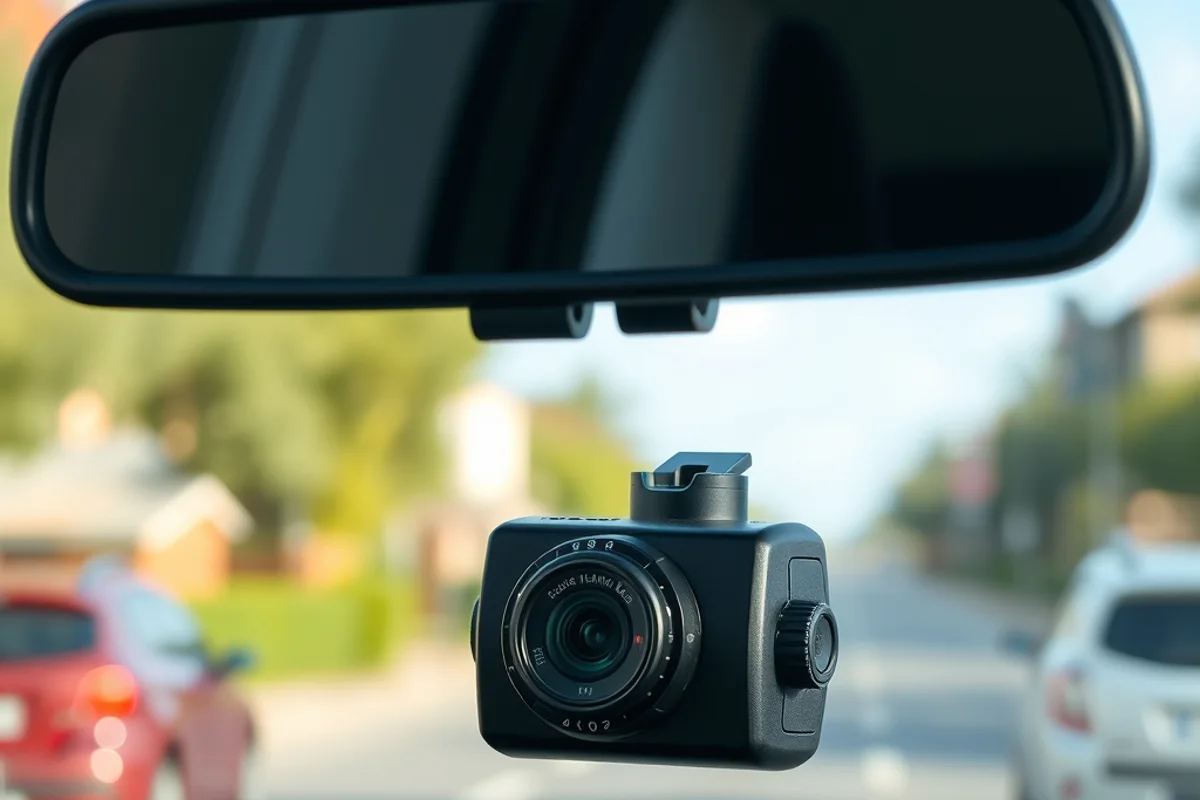
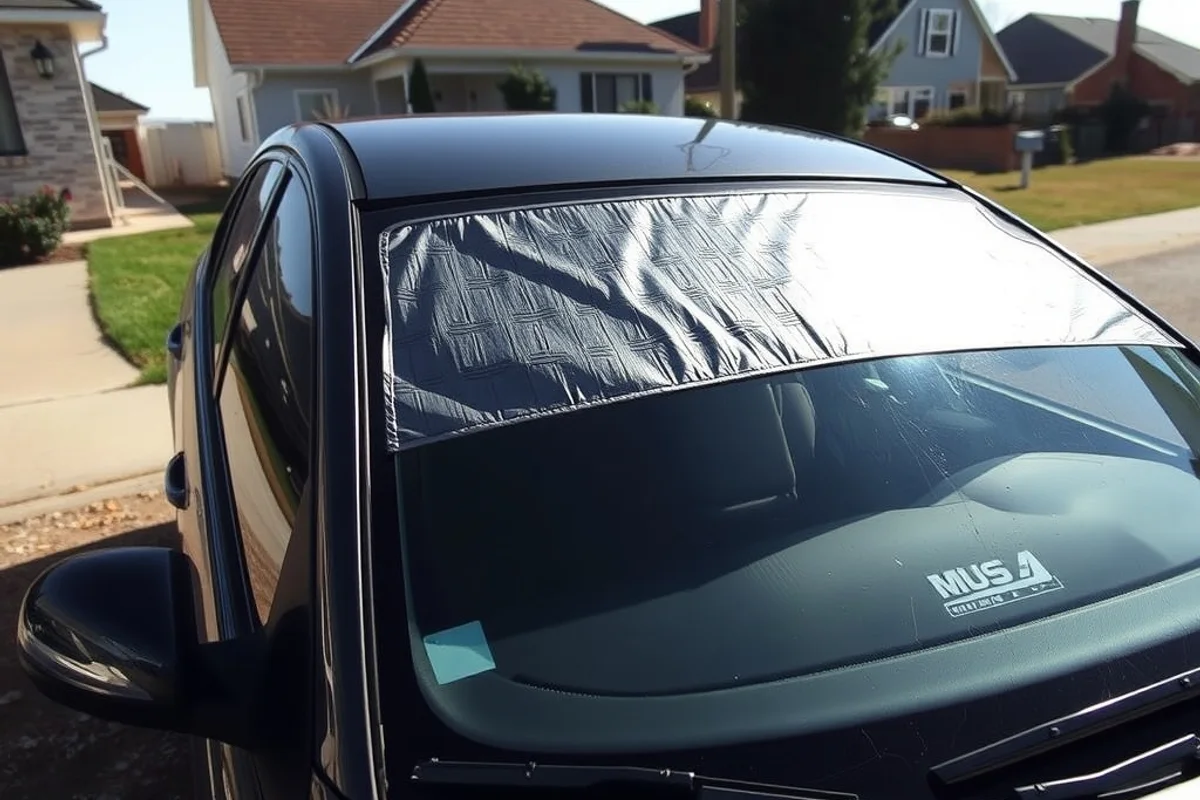
On a 35-degree day, the air inside a closed car can exceed 60 degrees Celsius within an hour, and surfaces near the windscreen can be much hotter. A dash cam rated to 60 degrees is living at its limit. Look for a camera rated to at least 70 degrees and, more importantly, one designed without a lithium battery. Heat degrades lithium cells quickly, and a swollen battery is a fire risk and a mounting problem.
A supercapacitor stores less energy but tolerates heat far better. It allows the camera to shut down cleanly when power is cut, which protects the last file. For a hot climate, a capacitor-based camera is the safer default.
Parking mode: useful, but not free
Parking mode records while the car is off, usually triggered by motion or impact. It is genuinely useful in a car park, but it draws power from the vehicle battery. A camera with a low-voltage cutoff will stop recording before the battery is flat. Without one, you may come back to a car that will not start.
Hardwiring is the clean solution, but it requires a fuse tap and a little care. Choose a circuit that is live only when the ignition is off, and use a fuse that matches the camera's draw. If you are not comfortable working around the fuse box, pay an auto electrician. A poor install can cause intermittent faults that are difficult to trace.
Storage and file integrity
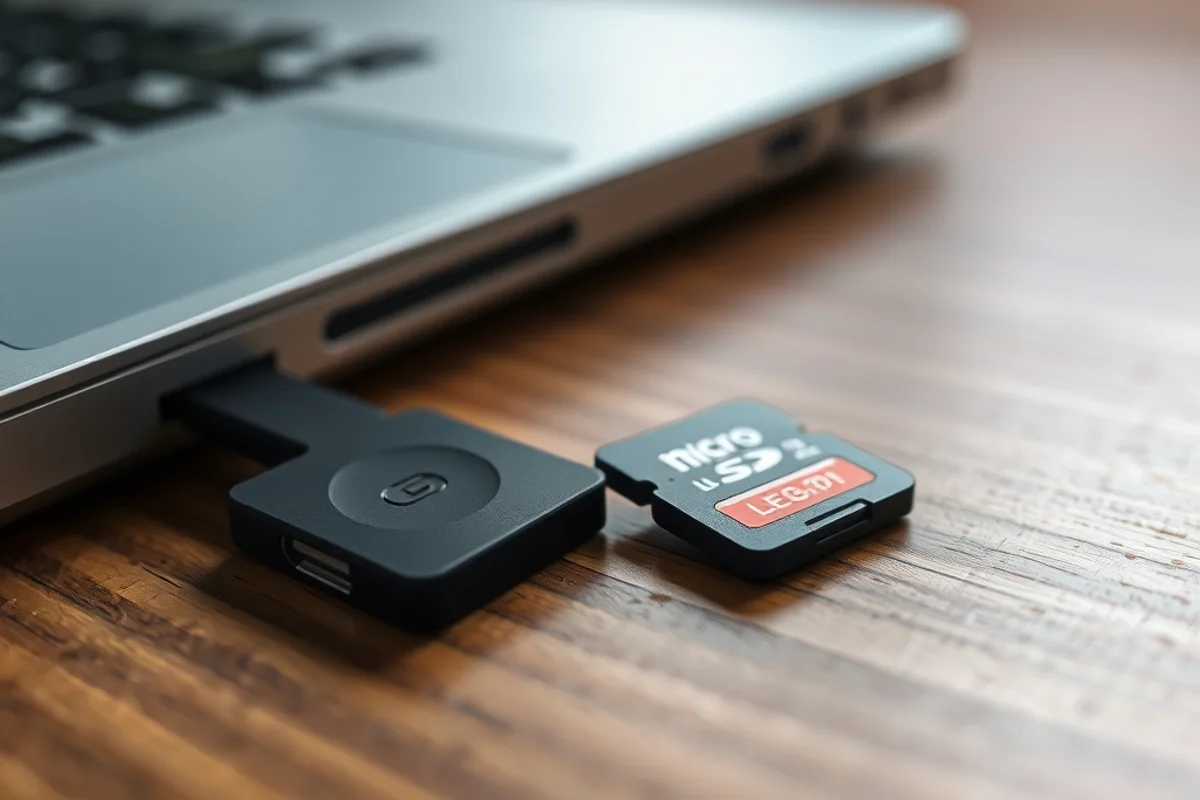
Dash cams write continuously, which is hard on memory cards. A standard card may last a year or less in constant use. Buy a high-endurance card designed for surveillance or dash-cam use, format it in the camera, and replace it periodically. A card that has become read-only is a common failure mode; if the camera suddenly stops recording, test the card before blaming the device.
Check that the camera writes in a standard format and that the files are playable on a computer without proprietary software. A camera that only exports through an app is less useful when you need to hand footage to an insurer or the police. Test the export process before you need it.
The best dash cam is the one that is still recording when something happens. Reliability beats resolution.
Resolution, night vision and field of view
4K sounds better than 1080p, but a high-resolution sensor in a small body can struggle in low light. For most drivers, a good 1440p or 2K camera with a decent sensor is a better balance than a 4K camera with poor night performance. Look for evidence of readable number plates at night, not just a sharp daytime demo.
A wide field of view captures more of the road but distorts the edges. Around 140 degrees is a practical compromise. Too wide and the centre of the image becomes small; too narrow and you miss the kerb. Dual-channel systems add a rear camera, which is useful but doubles the installation work.
Installation and legal notes
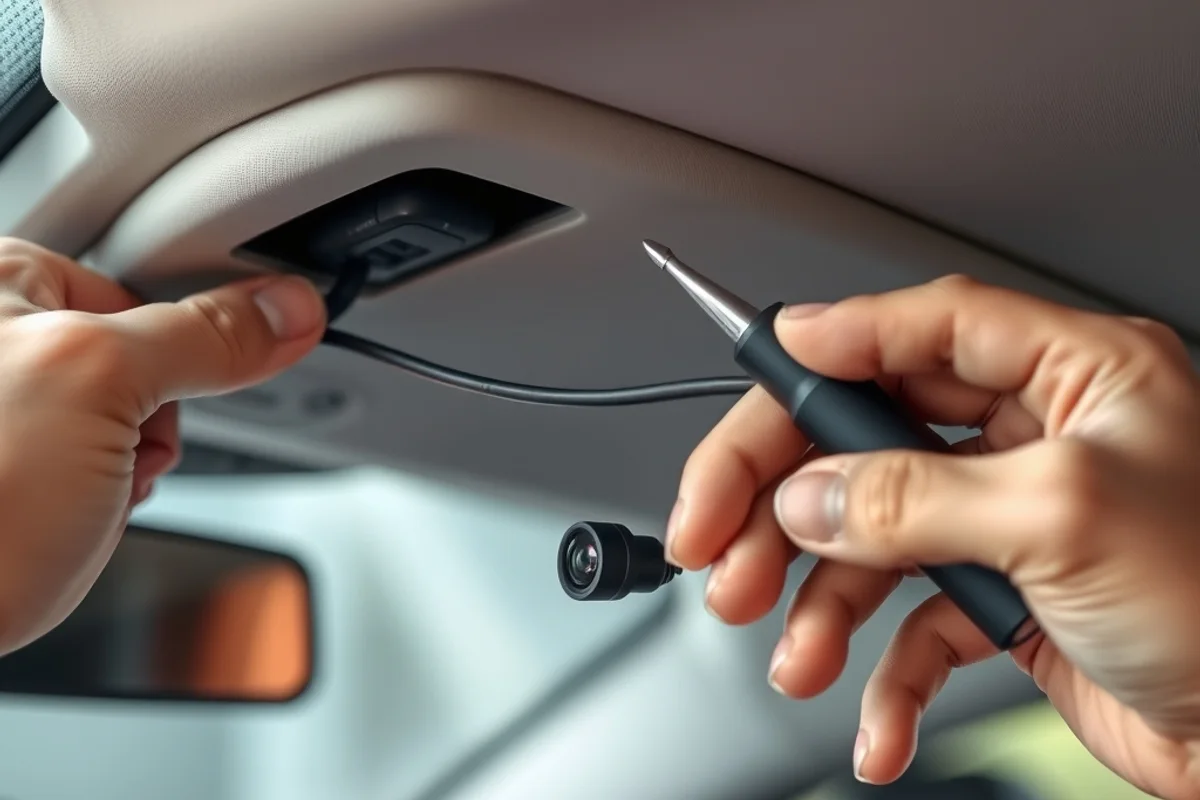
Mount the camera high and centred, within the wiper sweep, and make sure it does not obstruct your view. Route the cable along the headliner and down the A-pillar, avoiding the side airbag. Do not leave a loose cable across the dashboard; it is a distraction and a potential entanglement hazard.
Laws on dash cams vary. In many places, recording the road is fine, but publishing footage with identifiable people or number plates can raise privacy issues. Check local rules before sharing. For insurance, keep the original file and a backup; edited clips are less persuasive.
A dash cam will not make you a better driver. It will make a bad day easier to prove. Buy a capacitor-based model, an endurance card and a proper install. Then forget about it until you need it, which is exactly the point.