Depreciation is the largest cost of new-car ownership and the one buyers understand least. A flagship sedan is the extreme case. It combines a high purchase price, a narrow buyer pool, expensive maintenance and a fashion cycle that moves every few years. The result is a car that can lose 50 percent or more of its value in three years, then flatten out and become one of the best value propositions in the market - if you buy the right one.
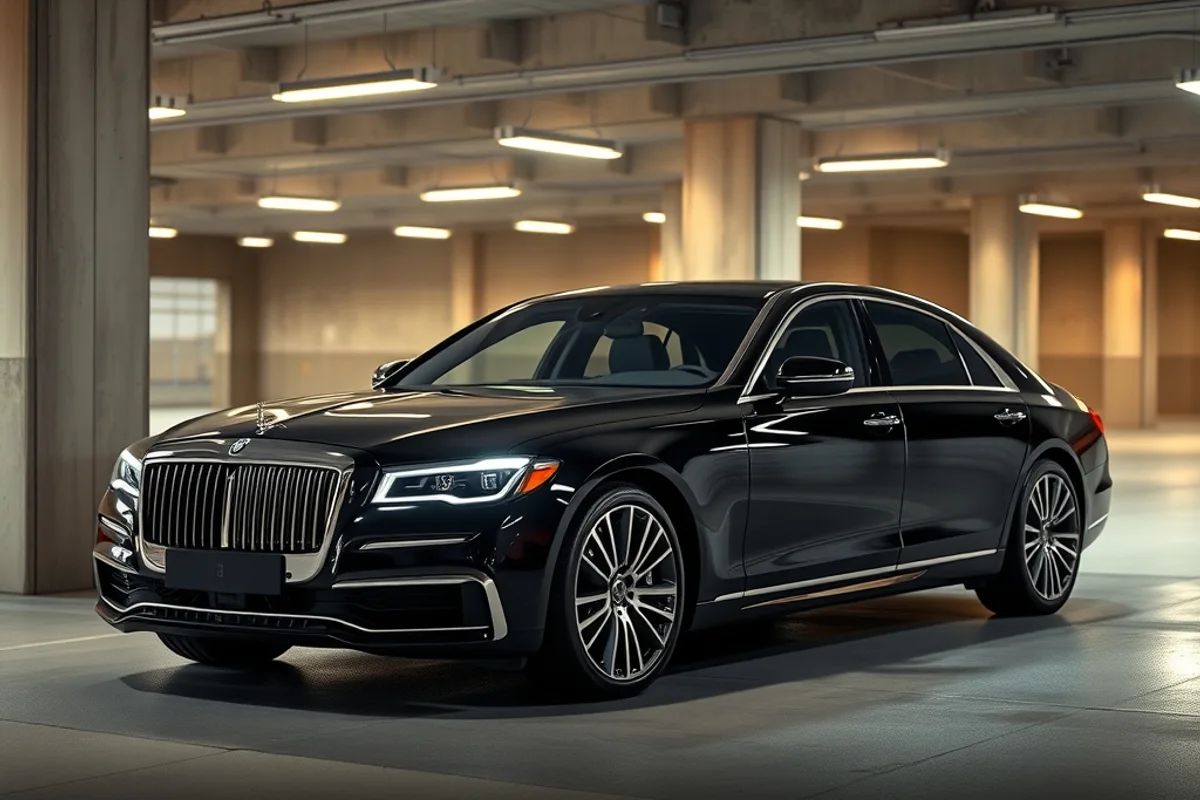
Why the first three years hurt so much
New luxury cars are sold partly as status objects. The first owner pays for that status, the newest technology and the exact specification they want. The second owner does not value those things the same way. They value condition, history and price. Between those two positions is a gap that the market closes by cutting the price.
Fleet sales amplify the effect. If a large share of a model's volume goes to corporate leases, the used market is flooded three years later with near-identical cars. Supply rises just as the next generation arrives. The old car is still excellent, but it is no longer new, and the badge cannot carry the difference.
Options: some survive, most do not
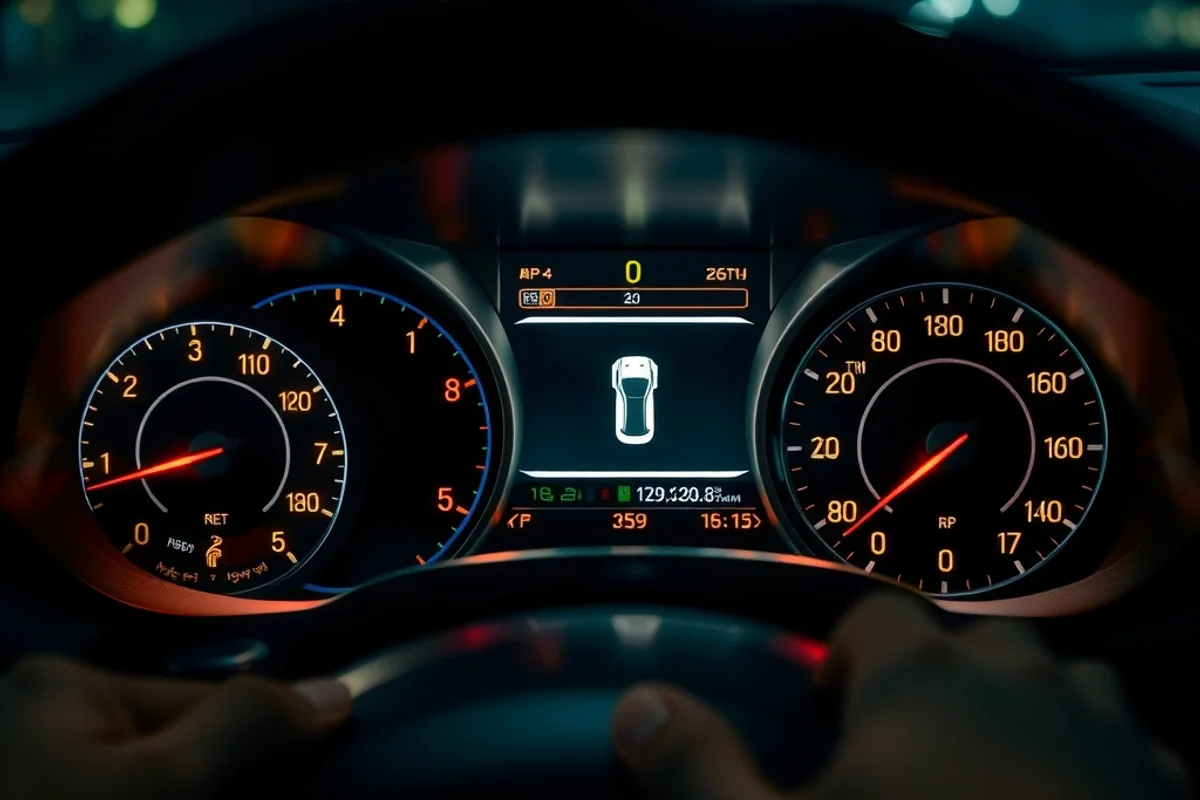
Options are priced at cost when new and valued at a fraction when used. A panoramic roof, a premium audio system and a desirable interior colour can help. A complex rear-seat entertainment system from a previous tech generation can hurt. So can unusual exterior colours and very large wheels, which narrow the buyer pool and increase tyre costs.
The safest specification is usually the one that was popular when new: dark or neutral exterior, a light or tan interior, standard-size wheels and the main safety and comfort packages. It will not be the most exciting car in the classifieds, but it will be easier to sell and easier to live with.
Mileage versus maintenance
On a simple car, low mileage is a strong signal. On a flagship with air suspension, adaptive dampers and a complex electrical architecture, condition and history matter more. A 90,000-kilometre car with a documented gearbox service and fresh suspension can be a better buy than a 40,000-kilometre car that has sat unused for years with original fluids and flat-spotted tyres.
Low mileage is a fact. A good maintenance file is evidence. Pay for evidence.
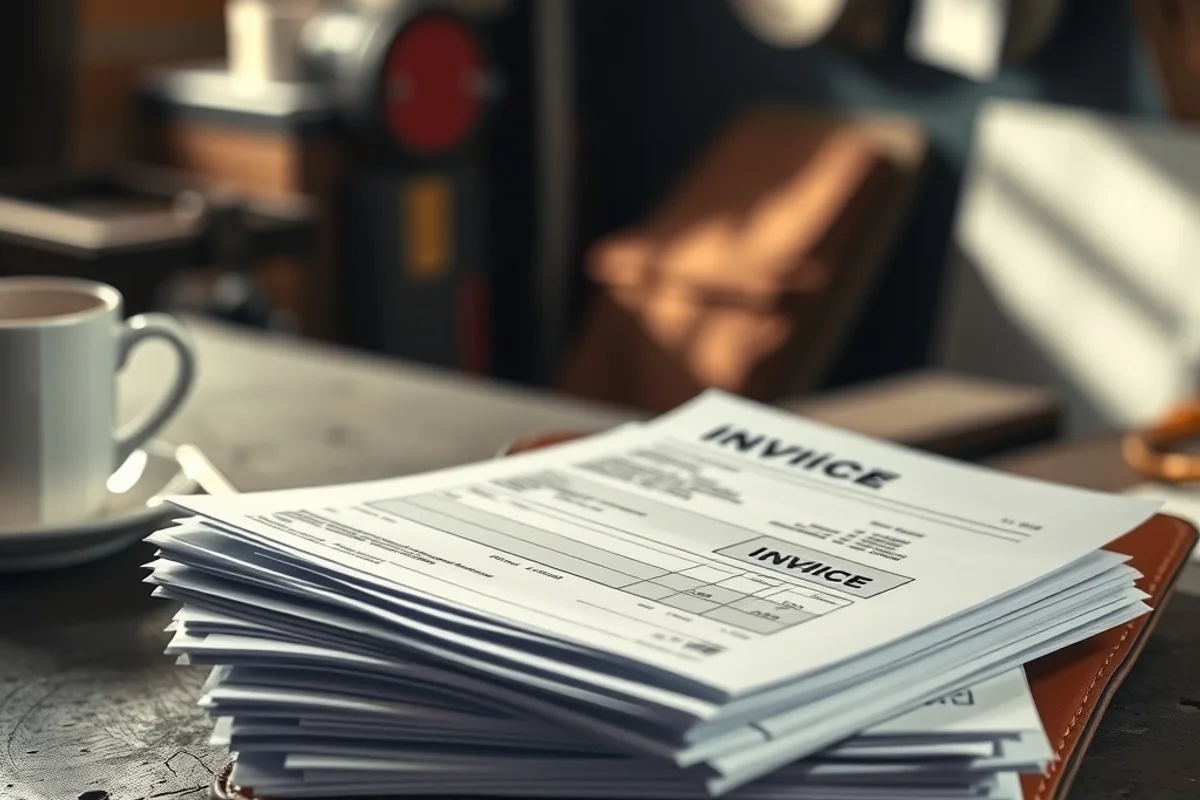
Look for receipts, not just stamps. The invoice tells you what was actually done, which parts were used and whether the work was done at a specialist. A stamped book with no invoices is a promise. A folder of invoices is a record.
Where the curve flattens
Most flagship sedans lose the steepest part of their value in years one to four. By year five or six, the curve flattens, especially for well-maintained examples. The car is old enough to be affordable but not yet old enough to be a classic. This is usually the best window for a private buyer who can handle the maintenance.
The risk is that the car is entering the age when expensive systems fail. Air suspension, adaptive dampers, electronic parking brakes, sunroof drains and complex infotainment can all become costly. Budget for a thorough inspection and a repair reserve. The purchase price is only the entry ticket.
Exit strategy
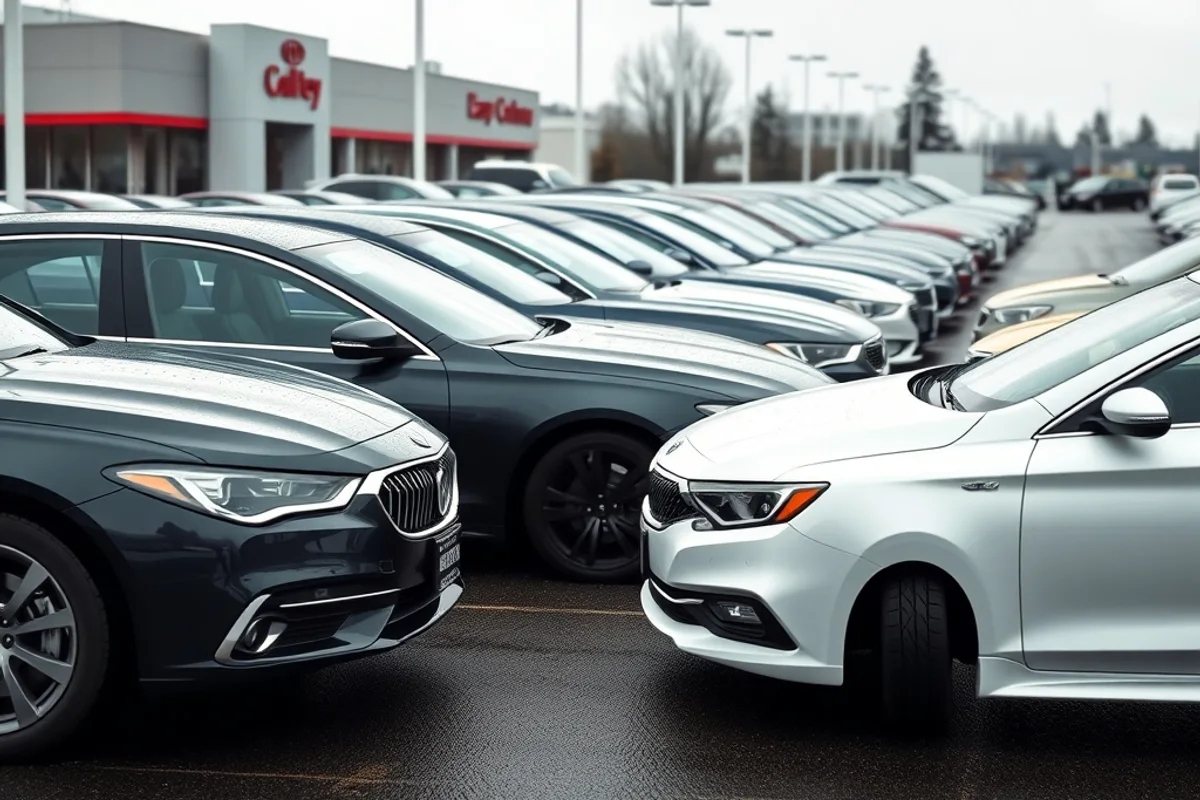
Before you buy, look at how similar cars are selling, not just asking. Check how long they sit on the market. A car that has been listed for four months is telling you something about price or specification. A car that sells in a week is usually priced correctly.
Plan your exit at purchase. If you keep the car three years and sell privately, you will recover more than a trade-in, but you will deal with buyers, viewings and negotiations. If you need a clean exit, a specialist dealer or an online buying service will take a cut. Either way, the depreciation is real. The goal is not to avoid it; it is to avoid paying for someone else's status premium.
The sweet spot, honestly
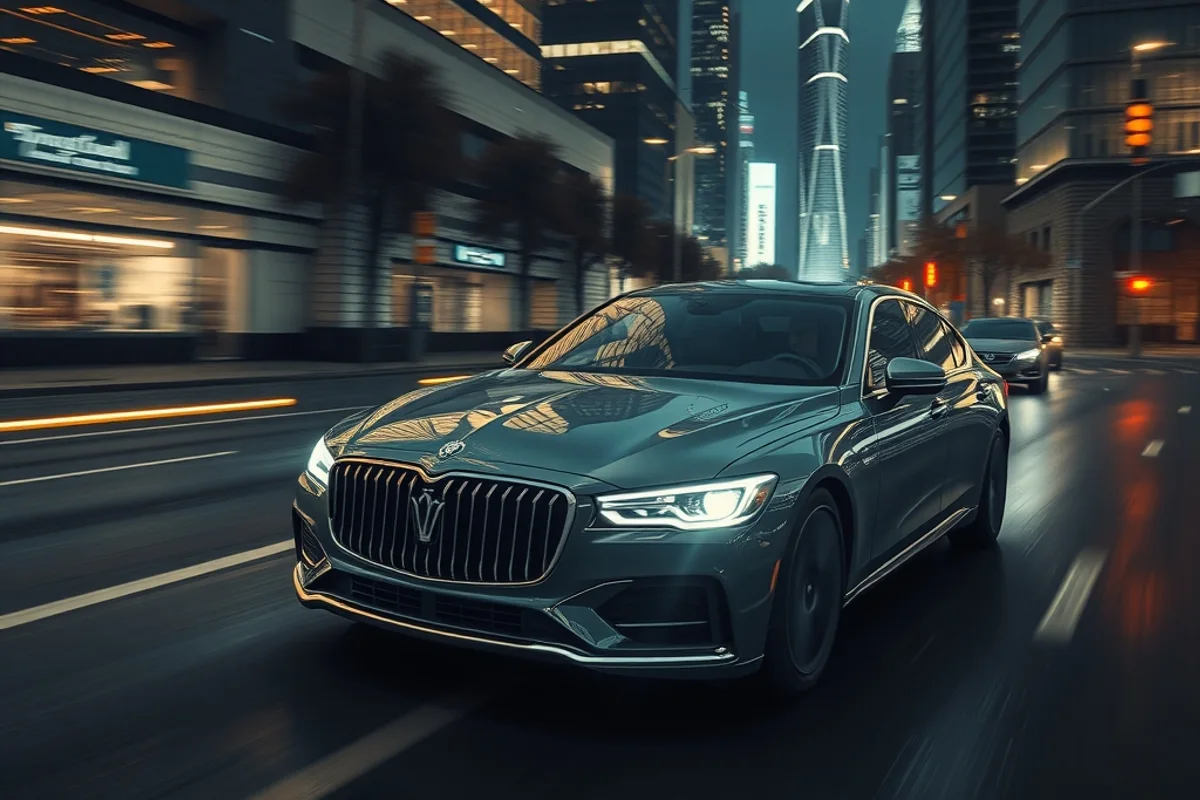
The best value is usually a five- to seven-year-old flagship with a complete service history, a conservative specification and a specialist inspection. Buy the best example you can find, not the cheapest. A £2,000 saving on the purchase price can disappear in the first repair.
And do not buy a flagship because you want a cheap luxury car. Buy it because you want that specific car and can afford the running costs. The depreciation curve is a discount on the purchase, not a subsidy on the ownership. The people who enjoy these cars are the ones who budget for them properly.