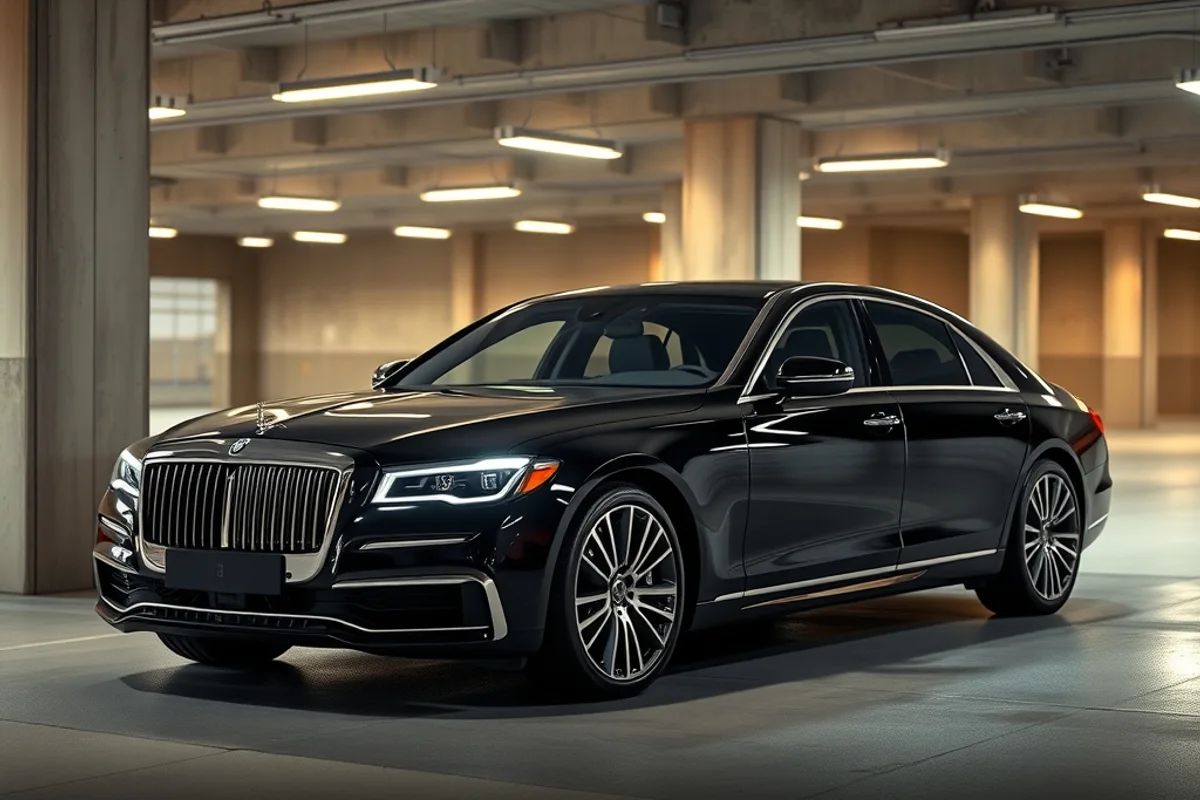
Luxury car pricing is easy to mock and hard to justify line by line. A flagship sedan can cost three times as much as a well-equipped mainstream car and still use the same basic layout: four wheels, five seats, a boot. The difference is not a single feature. It is the accumulation of hundreds of decisions about materials, isolation, tolerance and service. Some of those decisions are worth the money. Others are pure theatre.
The badge is the smallest part
Badge value is real, but it depreciates faster than any component. What remains after five years is the car itself: how it has worn, how it drives, how quiet it is and how much it costs to keep. A luxury car with a prestigious badge and a brittle interior is a bad used car. A less fashionable model with excellent materials and a strong service history can be a much better purchase.
This is why the smart money often buys the second tier. The difference between a mid-range trim and the full flagship is usually options, not structure. If the body, suspension and sound insulation are the same, you may be paying a large premium for massaging seats and a larger screen.
Noise isolation is the luxury you feel every minute
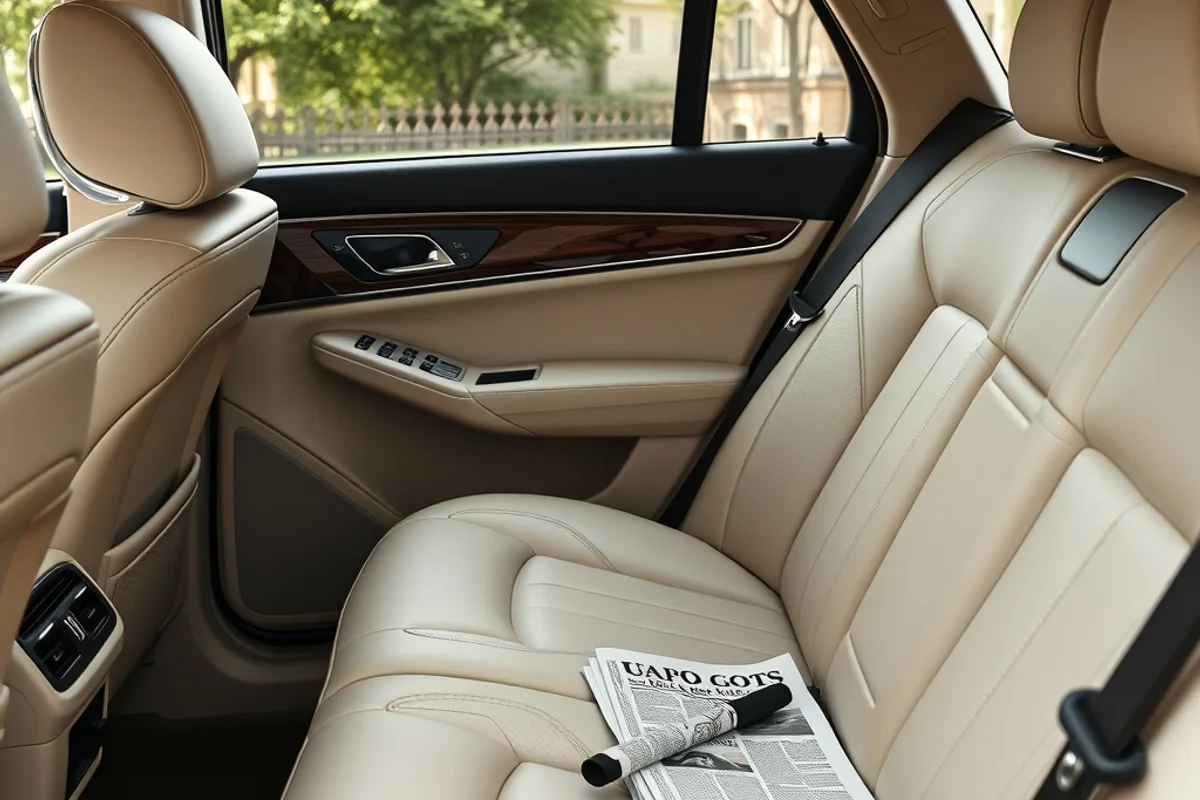
A quiet cabin is expensive to engineer. It requires laminated glass, better door seals, acoustic carpet, suspension bushings tuned for impact harshness and an engine or motor mounted to reduce vibration. You cannot add it later with a soundproofing kit, at least not to the same standard. On a test drive, find a coarse road surface and a motorway speed. Listen for wind around the mirror, tyre roar through the floor and the thump over expansion joints.
Noise is also cumulative. A car that is acceptable for 30 minutes can be exhausting after four hours. This is the strongest argument for a used luxury car over a new mid-range car at the same price. The isolation was designed in, and it does not wear out if the seals are intact.
Materials that age, not just materials that impress
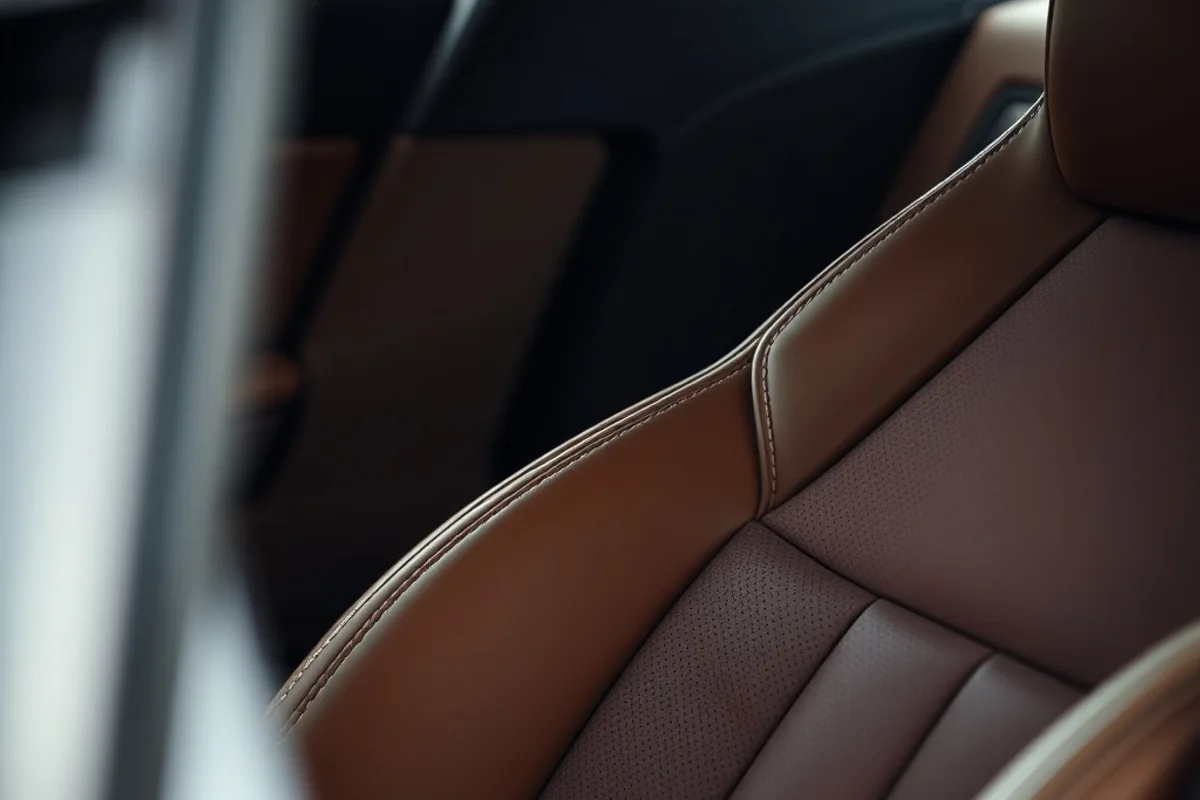
Soft-touch plastic looks wonderful in a press photo and can become shiny and sticky after three summers. Leather varies enormously in quality. So does wood, metal and even the carpet. Look at a used example of the same model with 80,000 kilometres on it. Check the driver's seat bolster, the steering wheel rim, the door armrest and the area around the window switches. Those are the contact points that reveal whether the material was chosen for showroom appeal or for durability.
Sit in a three-year-old example before you order a new one. The showroom hides wear; the used market does not.
Seats and climate: the daily difference
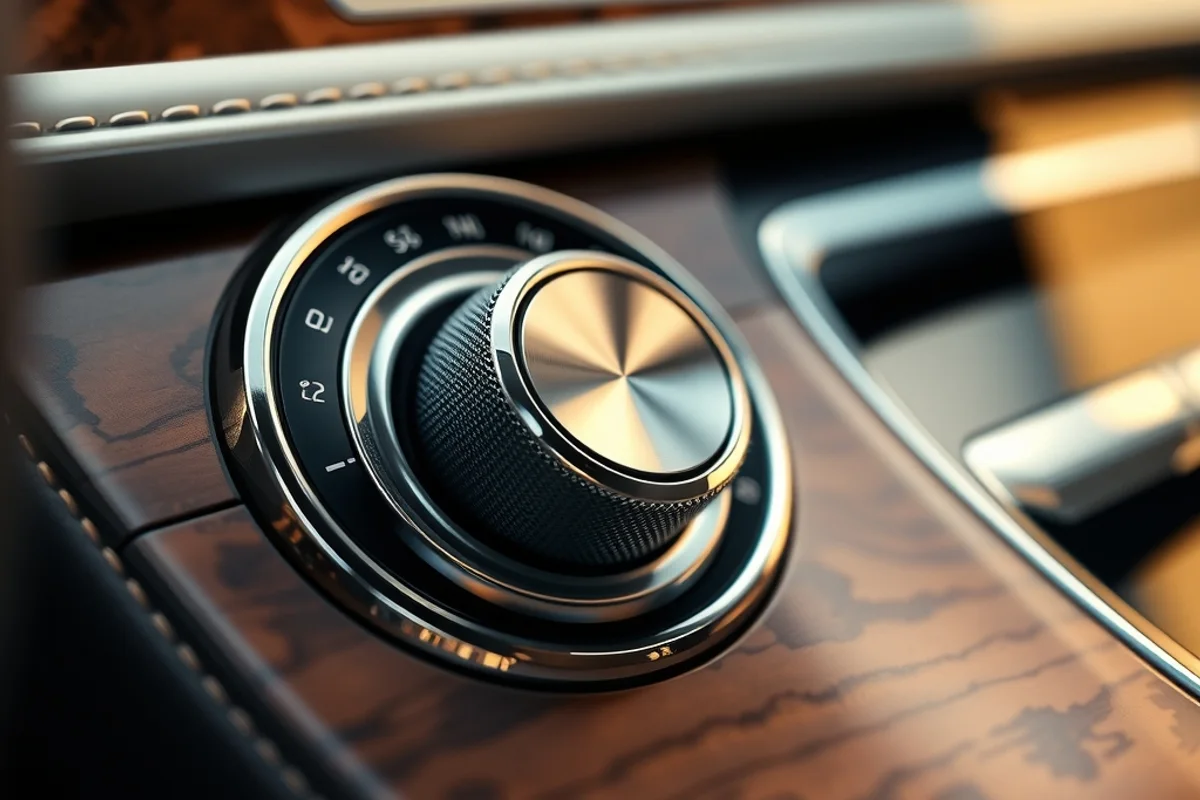
The best luxury feature is a seat that fits you on the fourth hour, not the fourth minute. Look for adjustable thigh support, a seat base that is long enough, adjustable lumbar support and a headrest that does not push your head forward. Ventilation is more useful than massage in a hot climate, and a heated steering wheel is more useful than a panoramic roof in a cold one.
Four-zone climate control sounds excessive until you have passengers who disagree. Rear-seat comfort matters if you carry adults or children regularly. In a flagship sedan, the rear compartment is often the real product; the driver is sometimes just the chauffeur.
The options that hold value
Options depreciate with the car, but some depreciate less. Safety systems, all-wheel drive, a desirable interior colour and a well-regarded audio system tend to help resale. So does a documented service history. Options that date quickly - early infotainment, unusual ambient lighting packages, complex rear-seat entertainment - can actually hurt a used sale because they look old.
Be sceptical of performance options on a luxury car. A sport suspension and large wheels may look better in photographs and ride worse on the roads you actually use. If you want the luxury experience, the base wheel size is often the better choice. Tyres are cheaper, the ride is quieter and the risk of kerb damage is lower.
The ownership cost behind the badge
Luxury cars cost more to maintain because they have more systems, more expensive parts and, often, more labour hours. Air suspension, adaptive dampers, complex electronics and large brakes all have a service life. Ask for a quote on consumables before you buy: tyres, brake discs and pads, a major service and the cost of extending the warranty. The number may surprise you.
A pre-purchase inspection by a specialist is not optional. It is the cheapest hour you will spend. If the seller refuses, walk away. There are enough good cars in the world. The right luxury car is the one that still feels special after the novelty has worn off and the first repair bill has arrived. Everything else is marketing.